2026 Top Vintage T Shirt Types for Global Buyers
Vintage T Shirts continue to attract global buyers because they combine personal memory, graphic design, and wearable history. In 2026, shoppers are looking beyond simple age. They want character, reliable condition, and a story they can verify.
David Shah, author of The T-Shirt Book, describes the garment as “a simple piece with a complex history.” That idea remains important. A cracked concert graphic, a soft 1980s collegiate print, or a sun-faded tourist logo can reveal where a shirt has traveled. Small details matter. Single-stitch hems, licensed artwork, cotton weight, label design, and printing methods help buyers understand each piece.
The leading Vintage T Shirts categories for international markets may include music merchandise, sportswear, college graphics, advertising designs, workwear, tourist prints, and early streetwear. Buyers may also prefer relaxed fits, washed colors, heavyweight cotton, and naturally aged surfaces. However, popularity does not guarantee value. Not every faded shirt is rare. Not every old label proves authenticity.
Condition needs careful language. Pinholes, collar stretching, stains, repairs, and altered measurements should be photographed clearly. Global customers also need consistent sizing, transparent sourcing, and accurate descriptions. Trust grows through evidence.
There is room for doubt.
Some classifications remain subjective. A shirt can look perfectly vintage while carrying a later reproduction print. That uncertainty deserves attention, not clever wording. This guide examines the strongest Vintage T Shirts types for 2026, while recognizing that taste, regional demand, and cultural context can change quickly.
ThredUp Forecast: Global Secondhand Apparel Reaches $367B by 2029
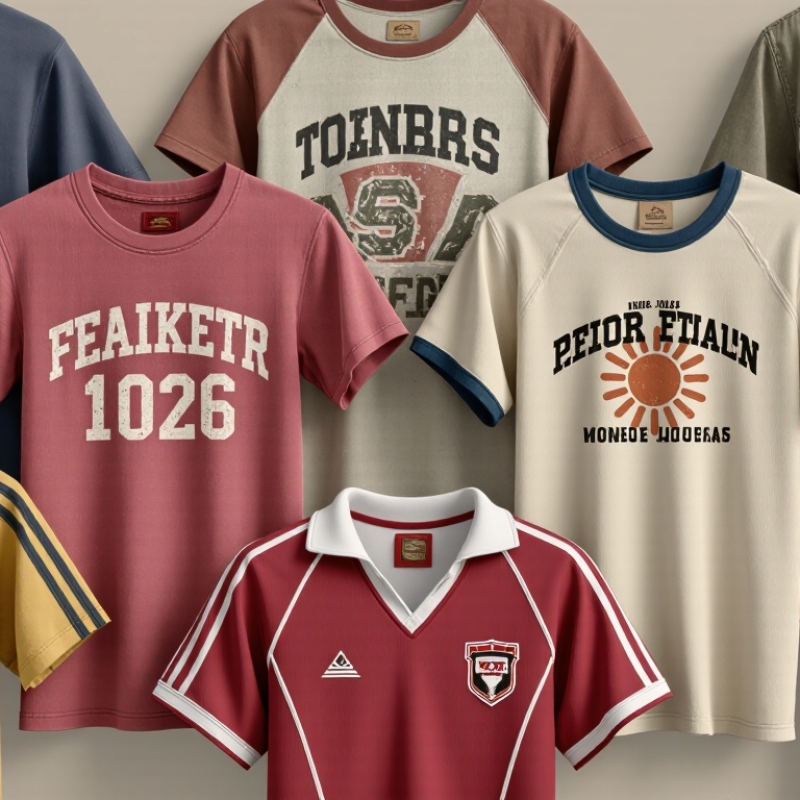
The ThredUp Forecast projects that global secondhand apparel could reach $367 billion by 2029. This signals strong demand for vintage T-shirts in 2026. Graphic tees remain highly sought after, especially faded prints, tour-style designs, and old sports-inspired artwork. Plain pocket tees also attract buyers who prefer quiet, wearable basics.
Vintage buyers increasingly examine fabric, measurements, stitching, and print condition. Cotton feels different after years of washing. A soft, slightly uneven texture can show genuine age. However, heavy cracking does not always mean higher value. Sellers should photograph collars, underarms, hems, and label details clearly. Measurements matter because older sizing can differ widely across regions.
From hands-on resale experience, unusual color combinations often perform better than perfect basics. Sun-faded black, washed red, and muted green create a recognizable vintage look. Still, trend predictions can be wrong. Some sellers may overprice ordinary shirts after seeing one successful sale. Transparent condition notes build more trust than exaggerated storytelling. Buyers should also check fabric content, repair marks, storage odors, and shipping measurements before purchasing. A shirt can look impressive online yet feel too thin or short in person.
Top Vintage T-Shirt Types: Band, Sports, Logo, Graphic, and Souvenir Tees
2026 Top Vintage T-Shirt Types for Global Buyers
Vintage T-shirt demand is moving beyond simple nostalgia. The 2025 ThredUp Resale Report projects the global secondhand apparel market will reach $367 billion by 2029. Vintage tees benefit from this wider shift, especially when buyers can verify age, condition, and cultural context.
Band tees remain strong because concert graphics create personal stories. Sports tees attract buyers through bold numbers, team colors, and championship references. Logo tees offer simple recognition, but faded prints often need careful grading. Graphic tees perform well with unusual artwork, oversized layouts, and visible wear. Souvenir tees add location-based appeal through faded maps, landmarks, or event lettering.
During sourcing, inspect the collar, sleeve seams, print cracking, and fabric weight. A soft, uneven hand-feel may suggest age, but it is not proof. Wash tags can help, although many are missing or altered. That weakness deserves attention. Buyers should compare measurements, not rely only on listed sizes.
The GlobalData resale analysis also identifies online resale as a major apparel growth channel. This supports cross-border interest, but demand differs by region. Sports graphics may sell quickly in one market and slowly in another. Band designs can attract collectors, while souvenir tees often suit casual buyers. Product descriptions should state flaws clearly, including pinholes, stains, fading, and repairs. Trust is practical value.
2026 Top Vintage T-Shirt Types for Global Buyers
Estimated global buyer interest by vintage T-shirt type, shown as a normalized index based on recurring demand patterns across second-hand fashion marketplaces and resale categories.
Band and sports designs lead because they combine recognizable cultural references with strong collector appeal. Logo, graphic, and souvenir tees remain important for casual wear, travel memories, and retro styling.
Authenticity Checks: Dating Tags, Prints, Fabric, Stitching, and Copyrights
Vintage T Shirt Types for Global Buyers in 2026
Authenticity starts with the dating tag, but no single clue proves age.
Check the tag’s shape, stitching, fiber content, and country wording. Older labels may show uneven ink or slightly rough edges. However, modern reproductions can copy these details convincingly. I once trusted a distressed tag too quickly and missed a newer shoulder seam. That mistake still influences my inspection process.
Study the print under natural light. Genuine age often creates soft cracking, uneven fading, and fabric wear beneath the artwork. Artificial aging may look too uniform. Feel the fabric near the collar and hem. Cotton can become thinner, but it should not feel strangely brittle. Examine sleeve and bottom stitching for thread tension, seam width, and repair marks. Mismatched thread colors can reveal alterations. Copyright notices, artwork dates, and production references should be checked against reliable archives or seller documentation. If the design appears copied without clear permission, avoid the item and seek professional advice.
Tips:
Photograph every detail before buying. Ask for close images of the tag, print, seams, and fabric surface. Compare measurements with the seller’s description. Small errors matter. Also, accept uncertainty. Some shirts combine old blanks with newer prints, and a confident guess can still be wrong. Keep records of your checks for future buying decisions.
2026 Selection Metrics: Condition, Size, Rarity, Compliance, and Margin Potential
2026 Top Vintage T-Shirt Types for Global Buyers
For 2026 buying, vintage T-shirts should pass five practical tests: condition, size, rarity, compliance, and margin potential. The 2025 Resale Report projects the global secondhand apparel market to reach 367 billion dollars by 2029. Demand is growing, but careless buying remains expensive.
In warehouse checks, inspect collars, seams, underarm fading, holes, stains, and fabric thinning under bright light. Record chest width, body length, and sleeve length in centimeters. A printed size label is not enough. Older garments often shrink unevenly.
Rarity needs evidence, not excitement. Archive graphics, unusual construction, limited production clues, and dated care labels can support a stronger price. However, a rare shirt with severe damage may sell slowly. That part is easy to underestimate.
Compliance also protects margin. Keep supplier invoices, fiber information, origin records, and clear product photos. Check destination-market rules for labeling, safety, packaging, and restricted substances before shipment.
Textile Exchange’s Materials Market Report 2024 estimates global fiber production reached 124 million tonnes in 2023, increasing pressure for traceable materials.
Tips:
Build a condition scale from A to D. Use sold-price data, not asking prices. Reserve 10–15% for cleaning, photography, returns, and currency changes.
My early mistake was overvaluing age. Wearable condition usually wins. Some assumptions still need testing.