10 Essential Tips for Choosing the Perfect Fleece Jacket
Choosing the right fleece jacket can significantly enhance your outdoor experience. Fleece jackets are popular for their warmth and versatility. According to a report from the Outdoor Industry Association, the fleece clothing segment saw a 12% growth in 2022. This growth indicates a rising preference for comfortable and functional outerwear among consumers.
When selecting a fleece jacket, it’s crucial to consider several essential factors. Material quality impacts durability and warmth. Moreover, fit and style play a vital role in your overall satisfaction. A poorly fitting jacket can hinder movement, especially during outdoor activities. Research shows that over 30% of consumers return jackets due to sizing issues. This highlights the importance of trying various options before making a decision.
While numerous brands offer fleece jackets, not all are created equal. Some may feature lower-quality fabrics that wear out quickly. Therefore, understanding fabric types and jacket features is essential. This knowledge can prevent frustration and ensure you invest in a reliable piece of outerwear. As a result, taking the time to carefully choose your fleece jacket can lead to greater enjoyment and convenience in the long run.
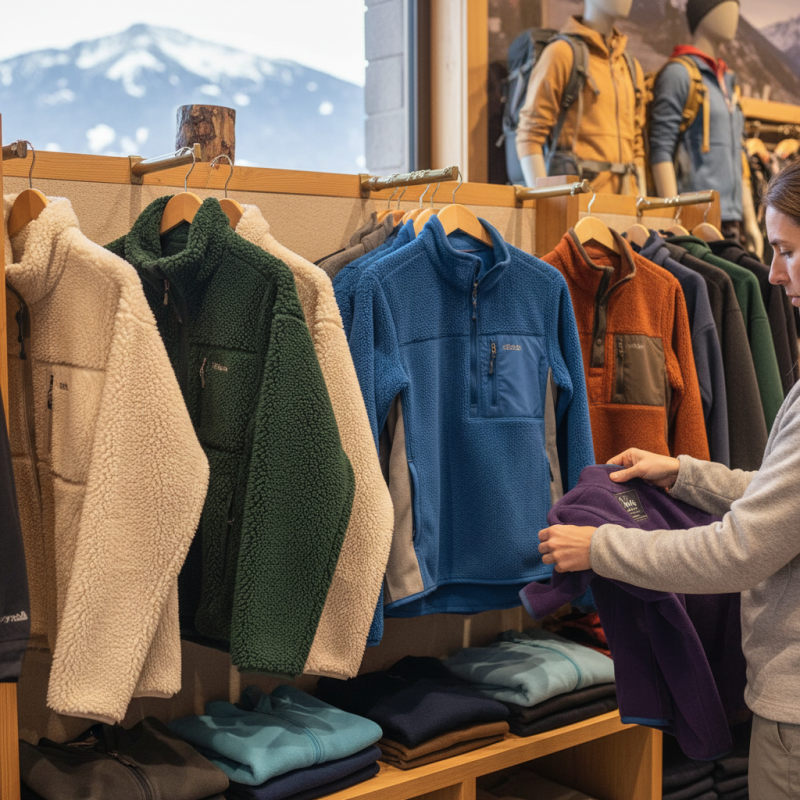
Understanding Different Types of Fleece Fabrics and Their Uses
When exploring fleece jackets, it's crucial to understand the various types of fleece fabrics available. Polyester fleece is the most common. It’s lightweight and quick-drying. This makes it ideal for outdoor activities. However, not all polyester fleece is created equal. Some are thicker and provide extra warmth, while others are more breathable. Choosing the right thickness depends on your needs.
Another option is blended fleece. This includes a mix of materials, such as cotton. Blended fleece offers added comfort and a softer feel. Yet, they may not wick moisture as effectively as 100% polyester options. Keep this in mind before making a selection. If you often sweat, a fabric that manages moisture well is vital.
Consider also the texture. Microfleece is soft and lightweight, perfect for layering. But, it may not provide enough warmth alone. On the other hand, heavyweight fleece is durable and cozy for colder conditions. Each type of fleece has its pros and cons. Reflecting on how you plan to use the jacket will guide your choice.
Comparison of Different Fleece Fabrics
Factors to Consider When Choosing the Right Fit and Size
Finding the right fit and size for a fleece jacket
can greatly enhance your comfort. Start by measuring your chest, waist, and hips. Use a measuring tape to get precise numbers. This helps you compare with the sizing chart. Each brand may differ in sizing, so don’t assume.
Consider the intended use of the jacket. If it’s for outdoor activities, you might prefer a snug fit. A looser jacket allows for layering but may trap too much cold air. Additionally, check the sleeve length. Short sleeves can restrict movement. Long sleeves may cover your hands, affecting dexterity.
Pay attention to the fabric and stretch of the jacket. Some materials offer more flexibility, while others may feel stiff. Think about your comfort during daily wear. Are you likely to feel restricted? Remember that trying on jackets is key. Take the time to assess how it feels. You might like the look but miss the fitting. Hence, prioritize both comfort and style.
Evaluating Insulation and Warmth Levels of Fleece Jackets
When choosing a fleece jacket, insulation and warmth are critical factors. Fleece is known for its lightweight properties yet impressive thermal retention. According to the American Society for Testing and Materials (ASTM), fleece materials can offer a warmth-to-weight ratio that is higher than most synthetic insulations. A well-made fleece jacket can provide warmth even when wet, making it suitable for various outdoor activities.
It's vital to consider the fabric density. Higher denier ratings typically indicate warmer jackets. Studies show that a fleece with a density of around 200 grams per square meter can keep the body warm even in chilling temperatures. However, this can make it bulkier. Finding a balance between warmth and weight is essential for functionality and comfort.
Another aspect is the jacket's breathability. Some fleece jackets can trap too much heat, leading to discomfort. Breathable materials allow moisture to escape, which is important during physical activities. Always check the manufacturer's specifications. Not every fleece promises the same level of insulation and warmth. Understanding these differences can significantly impact your outdoor experience.
10 Essential Tips for Choosing the Perfect Fleece Jacket - Evaluating Insulation and Warmth Levels of Fleece Jackets
| Tip |
Description |
Insulation Level (1-5) |
Ideal Weather Conditions |
| 1. Material Type |
Choose high-quality fleece for better warmth and durability. |
4 |
Cool to Cold |
| 2. Weight |
Consider heavier fleece for maximum warmth. |
5 |
Cold |
| 3. Fit |
Ensure the jacket fits well for optimal insulation. |
3 |
Mild to Cool |
| 4. Pockets |
Look for functional pockets for convenience. |
2 |
Any |
| 5. Breathability |
Opt for fleece that offers ventilation to avoid overheating. |
3 |
Mild |
| 6. Zipper Type |
Choose reliable zippers for ease of use. |
1 |
Any |
| 7. Color and Style |
Select a style and color that suits your needs. |
1 |
Any |
| 8. Washability |
Choose fleece that is machine washable for easier care. |
1 |
Any |
| 9. Price |
Compare prices to find the best value for warmth. |
2 |
Any |
| 10. Layering Potential |
Ensure compatibility with other layers for versatility. |
3 |
Cool to Cold |
Exploring Features: Pockets, Hoods, and Adjustable Cuffs
When choosing a fleece jacket, consider the features that matter most.
Pockets are essential for storing small items. Look for zippered pockets to secure your valuables. Some jackets have internal pockets,
ideal for keeping your phone or wallet safe. Others might have mesh pockets, great for quick access, but they may lack security.
Hoods can greatly enhance your jacket's utility. A detachable hood offers versatility for different weather conditions.
Some jackets feature adjustable hoods, which allow a snug fit against wind. A well-fitted hood keeps your head warm and dry during unpredictable weather.
However, a bulky hood could restrict your movement, so try it on before buying.
Adjustable cuffs are another important feature. They help seal out cold air and fit better over gloves.
Velcro or elastic cuffs can provide that extra comfort and warmth. But, overly tight cuffs may restrict circulation, which is uncomfortable on long hikes.
Pay attention to how each feature feels on you. After all, comfort is key in choosing the right fleece jacket.
Assessing Brand Reputation and Customer Reviews for Fleece Jackets
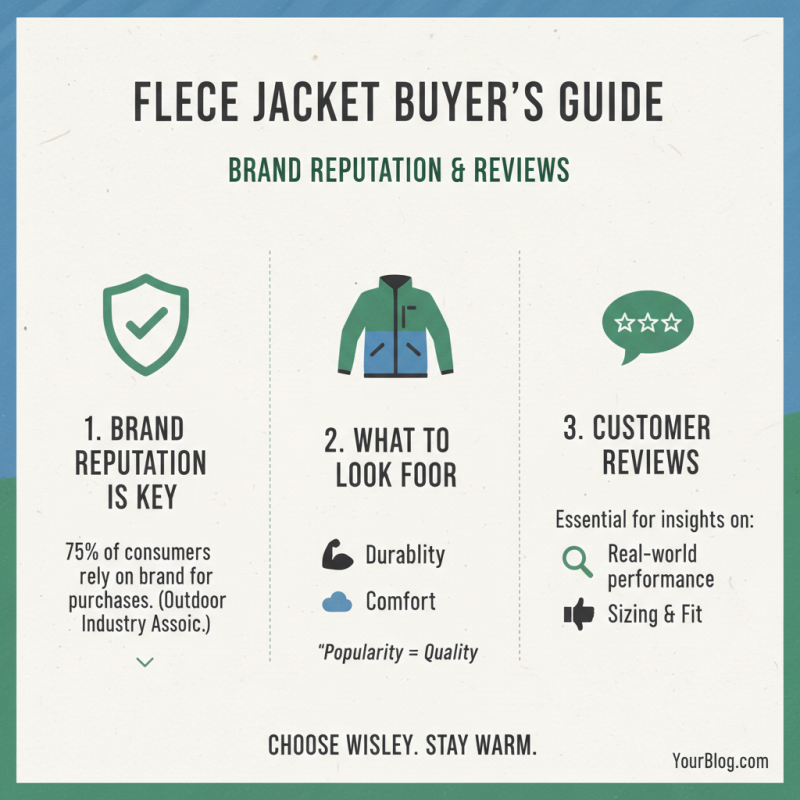
When selecting a fleece jacket, brand reputation matters significantly. A study by the Outdoor Industry Association shows that 75% of consumers rely on brand reputation when making purchases. This highlights the importance of understanding what established brands stand for. Look for brands known for durability and comfort. While popularity is essential, it shouldn't overshadow your actual needs.
Customer reviews are another vital resource. According to research by Nielsen, 84% of consumers trust online reviews as much as personal recommendations. Reading reviews helps uncover real experiences. Are users satisfied with their jackets? Do they mention any issues with sizing or warmth? Often, the feedback reveals both strengths and weaknesses of a product.
Some users may praise the softness of a fleece jacket, while others report that it pills quickly. Such insights offer a balanced view. Appreciating these inconsistencies can lead to better decisions. Balancing brand trust with genuine customer feedback prevents buyer’s remorse. Take your time. Make informed choices.