Top China Tee Shirts for Global Buyers What to Consider?
China's apparel industry has witnessed significant growth in recent years. Tee shirts, as a staple in casual wear, play a vital role in this sector. According to a report by Statista, the global market for t-shirts is expected to reach $50 billion by 2025. This surge highlights the increasing demand among global buyers. China remains a key player, known for its diverse offerings and competitive pricing.
When purchasing Tee shirts for international markets, several factors deserve consideration. Quality is paramount. Some manufacturers focus solely on cost-cutting, which may lead to inferior products. Sourcing from reputable suppliers ensures durability and comfort. Additionally, understanding local preferences can guide design choices and material selections. Customization is pivotal as well; popular styles vary widely across different regions.
However, navigating the complexities of international trade poses challenges. Compliance with global standards is essential for market entry. Issues like sizing discrepancies and cultural relevance must also be addressed. Ensuring a smooth transaction involves careful planning and communication. By reflecting on these aspects, buyers can make informed decisions, enhancing their market offerings in the competitive world of Tee shirts.

Top Chinese Tee Shirt Brands for International Shoppers
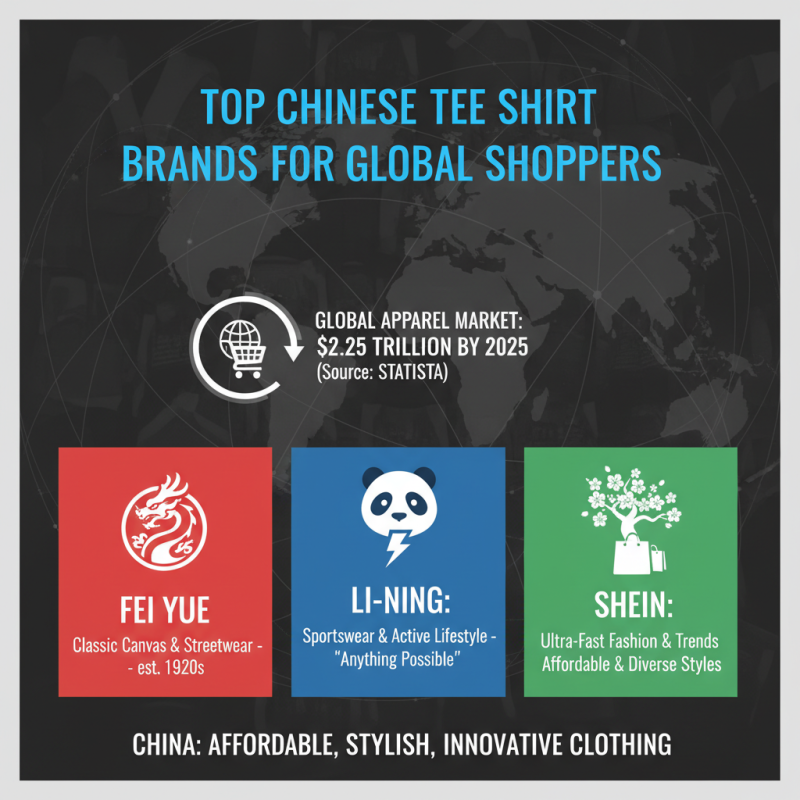
When exploring the world of Chinese tee shirts, international shoppers can discover a vibrant array of brands. An industry report from Statista indicates that the global apparel market is expected to reach 2.25 trillion USD by 2025. This trend highlights the increasing importance of affordable yet stylish clothing options from China.
Chinese brands often excel in offering diverse styles. They cater to various consumer preferences, from casual to fashionable. Quality can vary, so it's essential to conduct research. Pay attention to fabric types and stitching quality. Many brands now emphasize sustainable practices, appealing to eco-conscious buyers.
**Tips:** Always read reviews before purchasing. Look for verified customers’ feedback. Explore local trends to find unique designs. Noticing fit and size variations is crucial, as some brands may have inconsistent sizing. Understanding these factors can enhance your shopping experience and ensure satisfaction with your purchase.
Key Factors to Consider When Choosing Tee Shirts from China
When considering tee shirts from China, several key factors play a crucial role in the purchasing decision. One important aspect is fabric quality. According to a recent report by Market Research Future, the global cotton market is expected to grow by 5% annually. Buyers should prioritize breathable and durable materials. It’s essential to evaluate the fabric’s GSM (grams per square meter) to ensure suitable thickness and comfort.
Another factor is customization options. Data from Statista indicates that around 55% of consumers prefer customized apparel. This trend highlights the importance of selecting suppliers who offer flexible designs and printing techniques. It may be tempting to go for the cheapest option. However, lower prices often correlate with inferior quality. Assessing the supplier’s credibility through reviews and certifications is vital.
Additionally, sustainability practices cannot be overlooked. A survey by McKinsey shows that 67% of consumers consider eco-friendly materials significant. Brands should investigate suppliers’ environmental policies. It’s not just about finding a good deal; ethical sourcing matters too. Reflecting on these factors can lead to more informed decisions in the competitive market of tee shirts.
Top China Tee Shirts for Global Buyers
Understanding Material Quality in Chinese Tee Shirt Production
When exploring Chinese tee shirt production, material quality stands out as a critical factor. The type of fabric used can significantly affect the shirt's durability, comfort, and overall aesthetic. Cotton is popular due to its breathability and softness. However, blends like cotton-polyester combine the best of both worlds. These materials not only enhance durability but also reduce wrinkles. Buyers must consider the specific use-case of the shirts. For casual wear, comfort is key. For sports apparel, moisture-wicking properties become essential.
Quality can be inconsistent across manufacturers. It is essential to request fabric samples before placing bulk orders. Look for certifications that indicate proper manufacturing processes. Transparency in sourcing is crucial. Some manufacturers may prioritize cost-cutting, which can compromise material integrity. Keep an eye out for signs of poor quality, such as uneven stitching or fabric that feels thin. A detailed inspection can help in identifying issues before they become larger problems. This aspect cannot be overlooked as it directly affects customer satisfaction.
Sizing and Fit: How to Choose the Right Tee Shirt
When selecting a tee shirt, sizing and fit are crucial. Each brand varies in sizing charts, leading to potential confusion. The difference in how "medium" fits can vary significantly. Trying on a few options can save time and ensure comfort.
Consider the cut of the shirt. Regular, slim, or oversized fits can change how you feel while wearing the shirt. Many overlook the importance of shoulder width and sleeve length. These details can affect your overall appearance and comfort level. Don't hesitate to experiment with styles that might initially seem unfamiliar.
Understand your body shape when choosing a tee. A poorly fitting shirt can detract from the desired look. Sometimes, the right size may not feel right. This requires reflection on your preferences. Take note of how you want to present yourself. A perfect fit should highlight your strengths. Small adjustments may be necessary, but they make a big difference.
Top China Tee Shirts for Global Buyers: What to Consider?
| Tee Shirt Type |
Material |
Fit |
Size Range |
Price Range (USD) |
| Classic Crew Neck |
Cotton |
Regular Fit |
S - XXL |
10 - 20 |
| V-Neck T-Shirt |
Polyester Blend |
Slim Fit |
M - XL |
12 - 25 |
| Graphic Tee |
Cotton |
Regular Fit |
S - L |
15 - 30 |
| Long Sleeve Tee |
Cotton/Spandex |
Athletic Fit |
M - XXL |
20 - 35 |
| Pocket Tee |
Cotton |
Regular Fit |
S - XL |
12 - 22 |
Shipping and Import Costs for Buying Tee Shirts from China
When considering shipping and import costs for tee shirts from China, focus on several key factors.
The first aspect is shipping methods. Air freight is fast but more expensive.
Sea freight is cheaper but slow. Choose a method that aligns with your budget and timeline. Sometimes, low shipping costs can lead to longer wait times.
This can impact your sales if you sell online.
Next, keep in mind customs duties and taxes. Regulations vary by country.
Import fees can add up quickly, so do your research. Many buyers overlook these additional costs.
This can lead to unexpected expenses, affecting your overall budget. It’s crucial to get a clear estimate before purchasing.
Finally, always verify the reliability of your suppliers. Inconsistent quality can lead to returns and losses.
Regular communication helps address possible issues before they escalate. Mishaps can happen, leading to delays or added expenses.
Being proactive is essential in international trade. Make sure to weigh all costs.
This ensures a smoother buying experience from China.