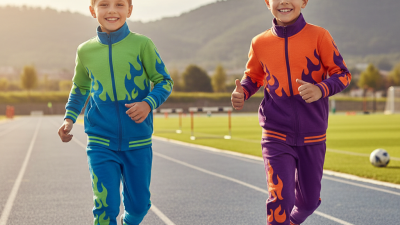
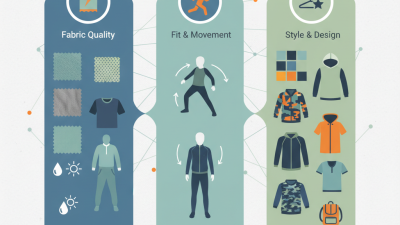
Boys Tracksuits have become a familiar choice for families, retailers, and sports-focused buyers worldwide. Their appeal is practical, not merely fashionable. A matching jacket and trouser set simplifies daily dressing, school activities, travel, and weekend sports. Buyers often look for soft fabrics, flexible waistbands, secure pockets, and durable stitching. These details matter when clothing faces playground dust, repeated washing, and active movement.
Comfort comes first.
From my experience reviewing children’s apparel trends, buyers also value versatility. A lightweight tracksuit can suit spring mornings, indoor training, or relaxed family outings. Fleece-lined versions offer warmth, while breathable polyester blends support movement in milder weather. Color choices vary across markets, yet black, navy, grey, and bold team-inspired shades remain widely recognizable. This broad appeal helps suppliers serve different age groups and retail preferences without creating overly complex collections.
However, popularity does not guarantee quality. Some attractive sets lose their shape after several washes. Others use rough seams or poorly finished zippers. Buyers should examine fabric composition, size consistency, care labels, and construction details before placing large orders. Responsible sourcing also requires clear product information and reliable quality checks. Children’s clothing should feel comfortable and support safe movement, while sellers must communicate honestly about materials and performance.
The trend is strong, but not perfect. Weather, culture, pricing, and local preferences still influence purchasing decisions. Even so, Boys Tracksuits remain a dependable category because they combine comfort, coordinated style, and everyday usefulness. Their success comes from solving ordinary clothing needs in a simple, visible way.

A boys’ tracksuit is a coordinated sportswear set, usually containing a jacket and matching trousers. It supports movement during school activities, travel, play, and casual daily wear. It is not formalwear.
Key features include breathable fabric, flexible construction, elastic waistbands, ribbed cuffs, and secure pockets. A smooth zipper can help children dress independently. A covered zipper end may also reduce skin irritation around the chin. Flat seams and soft inner surfaces improve comfort during long wear.
Demand reflects wider sportswear growth. Grand View Research valued the global sports apparel market at approximately 248.31 billion U.S. dollars in 2023. It also forecasts continued growth through 2030. This does not measure boys’ tracksuits alone, but it shows a strong market preference for versatile clothing. Textile Exchange reported that polyester represented about 59% of global fiber production in 2023. Polyester offers durability and quick drying, although it may retain odors and raise environmental concerns.
Buyers should inspect fabric weight, stitching, colorfastness, and washing instructions. A lightweight set suits warm classrooms, while brushed fabric feels warmer outdoors. Reflective details can improve visibility during darker commutes. Still, no feature solves every problem. Elastic waistbands may loosen, and printed designs can crack after repeated washing. Size charts also remain imperfect across countries. Fit should be checked against actual measurements, not age labels alone. Reliable suppliers should provide material information and consistent quality records.
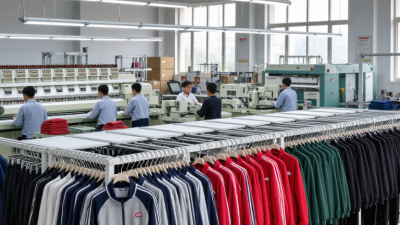
Boys’ tracksuits have moved far beyond sports practice. They now suit school mornings, weekend travel, playground games, and quiet afternoons at home. Comfort led the shift. Soft jersey fabric allows easy movement, while ribbed cuffs help keep sleeves and trousers in place. Zip pockets also hold small items without adding bulk. That changed the category.
Earlier tracksuits often looked purely athletic. Newer designs use calmer colors, cleaner cuts, and lighter materials. Breathable cotton blends work well in mild weather, while brushed fleece offers warmth during colder months. Many families prefer matching tops and trousers because dressing becomes quicker. However, a fashionable appearance should not replace practical testing. Tight waistbands, rough seams, or weak zippers can quickly reduce daily comfort. Buyers should check fabric composition, stitching quality, care labels, and size measurements before ordering. Fit can vary widely between suppliers, which remains an overlooked problem.
Tips: Choose a flexible waistband and trousers with room at the knees. Look for smooth inner seams, secure pockets, and fabric suited to the local climate. Wash a sample garment first if possible, since some materials shrink or lose softness. A track suit may look perfect online but feel different in real life. Product photos are useful, but measurements are more reliable.
Boys’ tracksuits remain popular with global buyers because they combine comfort with everyday usefulness. Soft cotton blends or breathable synthetic fabrics help children move during school trips, travel, and outdoor play. Elastic waistbands reduce pressure, while adjustable drawstrings improve fit. Still, fabric quality can vary between suppliers, so buyers should check weight, stretch, stitching, and care instructions.
Functionality strongly influences purchasing decisions. A practical tracksuit usually includes secure pockets, flexible cuffs, and a full-zip jacket for changing weather. Reinforced knee areas can help active children, although no fabric remains perfect after constant washing. In my experience, smooth seams matter more than decorative details when a child wears the set for several hours. Easy-care materials also appeal to busy families. Quick drying helps.
Design preferences differ across regions and age groups. Some buyers prefer calm colors and simple patterns that work for school or family activities. Others choose brighter panels, contrast piping, or relaxed silhouettes that feel more energetic. Reflective details may improve visibility during darker commutes, but they should not replace careful supervision. Size selection is another concern. Children grow unevenly, and a slightly generous cut may be useful, yet excessive looseness can restrict movement or look untidy. Accurate measurements remain more reliable than age labels, which are not always consistent.
| Buyer Consideration | Preference Observed Across Markets | Practical Reason | Common Design Response |
|---|---|---|---|
| All-day comfort | Soft hand feelLow irritation | Children often wear tracksuits for school travel, leisure, sports practice, and indoor activities. Soft cotton-rich or brushed fabrics provide a comfortable next-to-skin feel. | Use smooth seams, soft waistbands, flexible knit fabrics, and brushed interiors where warmth is required. |
| Freedom of movement | StretchRelaxed fit | Running, climbing, sitting, and active play require garments that do not restrict hip, knee, shoulder, or elbow movement. | Choose elasticated fabrics, articulated knee areas, gusseted panels, raglan sleeves, and slightly relaxed silhouettes. |
| Temperature versatility | LayeringSeasonal flexibility | Tracksuits can be worn as a complete set, over a T-shirt, or beneath a jacket, making them useful across changing temperatures. | Offer lightweight options for transitional weather and fleece-lined options for cooler conditions; use zip-front jackets for easy ventilation. |
| Moisture management | Quick dryingBreathability | Polyester is commonly selected for activewear because it is durable and dries faster than cotton. Cotton is valued for softness but retains more moisture. | Use polyester or polyester-blend shells for active use, breathable panels in high-heat areas, and cotton-rich fabrics for casual comfort. |
| Easy care | Machine washableLow maintenance | Children’s clothing is frequently washed, so buyers generally value fabrics that maintain shape, color, and usability after repeated laundering. | Use colorfast materials, reinforced seams, durable trims, and clear care labels. Avoid unnecessarily delicate decorations. |
| Fit adjustment | Elastic waistAdjustable details | Children grow quickly, and body proportions vary. Adjustable features improve comfort and extend the practical period of use. | Include covered elastic waistbands, functional drawcords where appropriate, ribbed cuffs, and elastic ankle openings. |
| Durability | Reinforced constructionAbrasion resistance | Frequent movement, playground use, washing, and contact with rough surfaces place extra stress on knees, seat areas, cuffs, and zippers. | Use durable jersey or interlock fabrics, bartacks at stress points, reinforced pocket openings, and reliable zipper construction. |
| Practical storage | Secure pocketsEveryday utility | Pockets allow children to carry small personal items while traveling, attending school, or playing outdoors. | Use front pockets with secure openings, internal pocket bags, and pocket placements that remain comfortable during movement. |
| Safety and visibility | Reflective detailsSecure fit | Reflective elements can improve visibility in low-light conditions, while well-fitted cuffs and hems reduce the risk of loose fabric catching on objects. | Add small reflective trims or prints, avoid excessively loose cords, and use secure closures designed for children’s clothing. |
| Design appeal | Sporty stylingVersatile colors | Tracksuits combine an athletic appearance with casual wearability, allowing the same outfit to be used for sports, travel, and daily activities. | Use clean panel lines, color blocking, subtle graphics, contrast piping, and a balanced range of neutral and seasonal colors. |
| Mix-and-match value | Coordinated setsSeparate wear | A coordinated jacket and trouser set gives buyers a complete outfit, while each piece can also be combined with other garments. | Coordinate colors and fabric weights while keeping the jacket and trousers visually useful as separate wardrobe items. |
| Climate suitability | Regional choiceMaterial variety | Global buyers face different weather conditions, from warm and humid climates to cool and dry seasons. A single fabric weight cannot suit every location. | Provide lightweight breathable versions, mid-weight knit versions, and warmer brushed versions with clearly stated fabric composition and seasonality. |
| Sizing confidence | Clear measurementsConsistent grading | Parents purchasing across borders need reliable size information because age labels alone do not accurately describe every child’s body shape. | Publish garment measurements, height guidance, fit descriptions, and consistent size grading; distinguish slim, regular, and relaxed fits where relevant. |
| Value perception | Multi-use garmentLonger wear | Buyers tend to see greater value when one tracksuit can be used for school commutes, sports, travel, home wear, and outdoor play. | Balance durable construction, comfortable fabric, easy care, and timeless styling rather than relying only on decorative details. |
Parents and retailers choose boys’ tracksuits because they solve several daily problems. Children need freedom to run, climb, and sit comfortably. A soft sweatshirt, flexible trousers, and an easy waistband support active routines. Grand View Research valued the global activewear market at approximately US$412.3 billion in 2023. Its report also forecasts a 9.3% compound annual growth rate from 2024 to 2030. This wider trend supports continued interest in practical children’s sportswear.
Durability matters at the point of purchase. Parents often inspect reinforced knees, secure drawcords, smooth seams, and washable fabrics. Retailers also consider repeat wear, size grading, and return rates. The McKinsey and World Federation of the Sporting Goods Industry Sporting Goods 2023 report identified sportswear as a resilient consumer category, with industry growth remaining strong after the pandemic. Tracksuits fit this demand because one coordinated set simplifies school mornings, travel, and weekend activities.
Comfort still needs evidence. A thick fabric may feel warm but restrict movement. A lightweight fabric may wash easily but wear out quickly. Retail buyers should request abrasion, colorfastness, and shrinkage test results before placing larger orders. Parents notice small details, too. A rough label can ruin an otherwise good garment. Not every popular design deserves trust. Care instructions, fiber composition, and realistic product photography help reduce disappointment, although sizing remains an imperfect challenge across markets.
Parents and retailers commonly prioritize comfort, easy care, versatility, durability, and affordability when selecting boys’ tracksuits. These features help tracksuits work across school activities, travel, outdoor play, and everyday wear, making them a practical choice for value-conscious buyers.
The chart presents a normalized buyer-priority index based on widely reported apparel purchasing factors; it is not a company or brand market-share comparison.
Boys’ tracksuits remain popular because they combine movement, comfort, and everyday value. Parents often choose them for school runs, playground visits, and weekend travel. Global buyers also notice the rise of casual clothing in children’s wardrobes. Soft fleece suits sell well in cooler regions, while lightweight cotton blends suit warmer markets. Color preferences vary. Navy and gray usually feel practical, but brighter panels attract younger shoppers.
Buying decisions require more than attractive photos. Suppliers should check fabric weight, shrinkage, seam strength, and colorfastness before placing large orders. A tracksuit may look premium online but feel thin after washing. That problem still appears. Accurate size charts matter because children’s proportions differ across markets. Buyers should compare sleeve length, waist elasticity, and trouser rise, not only age labels. A sample wash test can reveal pilling, fading, or twisted seams.
Global purchasers also review production consistency, delivery timing, packaging, and required product labels. Children’s garments should avoid loose components and unsuitable drawstrings. Clear fiber information supports reliable retail communication. Seasonal planning is important, since demand can shift quickly between school periods and holidays. Smaller trial orders may reduce risk, although they can increase unit costs. This trade-off deserves honest evaluation. A supplier with responsive quality records is often more valuable than the cheapest quotation. Trends change, but comfort remains closely linked to repeat purchases.