Leave Your Message

Top 10 Soft Shell Jacket Manufacturers Worldwide

The global soft shell market is shaped by changing weather, active lifestyles, and demanding outdoor professionals. This article examines the Top 10 Soft Shell Jacket Manufacturers Worldwide through practical performance, not marketing language alone. It considers fabric development, factory experience, stitching precision, breathability, wind resistance, water repellency, and after-sales reliability. A jacket may look impressive under bright showroom lights, yet fail on a wet mountain trail. Real conditions reveal more.

Yvon Chouinard, founder of Patagonia and a respected outdoor industry authority, once said, “The more you know, the less you need.” That principle is useful when judging a Sofe Shell Jacket. The best manufacturers do not simply add pockets, logos, or technical claims. They balance stretch, warmth, ventilation, and protection with careful restraint. Laboratory results matter. So do field tests, repair policies, material traceability, and feedback from guides, workers, and everyday users.

This overview compares manufacturers across different regions and production strengths. Some excel at premium fabrics. Others offer dependable volume manufacturing or competitive customization. No ranking is perfect. A factory with excellent waterproof testing may still struggle with fit consistency. A famous brand may overlook small-batch customer needs. That is worth remembering. The analysis therefore combines documented capabilities with practical product considerations, while avoiding unsupported promises. Readers should still inspect current specifications, certifications, warranty terms, and independent reviews before purchasing. A Sofe Shell Jacket is not automatically reliable because its label sounds advanced. Performance lives in the details. Sometimes, the zipper tells the truth.
Top 10 Soft Shell Jacket Manufacturers Worldwide

Soft Shell Jacket Definition: 3-Layer Fabrics and 5,000–20,000 mm Water Ratings

Top 10 Soft Shell Jacket Manufacturers Worldwide

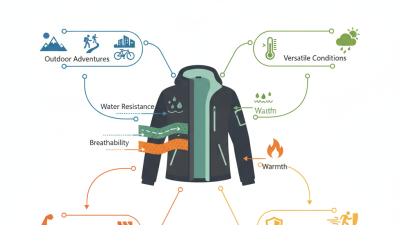
Soft shell jackets usually combine three functional layers. The outer face resists abrasion and light rain. The middle layer manages wind and moisture. The inner layer feels warm against skin. This construction differs from a simple fleece jacket.

Water ratings require careful reading. A 5,000 mm rating can handle light showers and short exposure. A 10,000 mm rating offers stronger protection during steady rain. Ratings near 20,000 mm suit harsher conditions, especially with sealed seams. These figures commonly reflect hydrostatic-pressure testing, not everyday comfort. EN 343 and ISO 811 provide recognized methods for evaluating water penetration. The rating alone does not prove full waterproof performance.

The 2024 Materials Market Report from Textile Exchange recorded global fiber production at about 124 million tonnes in 2023. That scale highlights why material selection matters across outdoor clothing supply chains. Recycled fibers may reduce dependence on virgin resources, but suppliers still need evidence of content and performance. Independent laboratory reports should confirm fabric composition, hydrostatic pressure, breathability, and seam construction. In practical testing, a jacket may pass the fabric test yet leak at the zipper. Small details matter.

A soft shell is not a rain shell.

Manufacturers in any worldwide top-ten comparison should disclose test conditions, wash durability, and production traceability. Some product pages remain vague. That is a weakness worth questioning. Consumers and buyers need measurable specifications, not impressive wording.

Top 10 Soft Shell Jacket Manufacturers Worldwide - Soft Shell Jacket Definition: 3-Layer Fabrics and 5,000–20,000 mm Water Ratings

Rank Anonymous Manufacturer Profile Primary Production Region Typical 3-Layer Fabric Water Rating Breathability Range Seam Construction Common Certifications Typical MOQ Best-Suited Applications
1 High-volume technical outerwear specialist East Asia Woven face / PU or TPU membrane / brushed tricot backing 10,000–20,000 mm 5,000–10,000 g/m²/24h Fully seam-taped on critical or all seams ISO 9001, REACH, OEKO-TEX® Standard 100 500–1,000 pieces per color Hiking, ski, workwear, travel
2 Performance sportswear manufacturer Southeast Asia Stretch woven face / breathable membrane / polyester jersey 8,000–15,000 mm 8,000–15,000 g/m²/24h Taped shoulders, hood, armholes and pocket seams WRAP, BSCI, REACH, OEKO-TEX® Standard 100 300–800 pieces per style Running, cycling, climbing, fitness
3 Custom private-label jacket factory South Asia Polyester or nylon face / laminated PU film / microfleece backing 5,000–10,000 mm 3,000–8,000 g/m²/24h Bound seams or critical seam taping BSCI, Sedex, REACH, ISO 9001 200–500 pieces per color Corporate uniforms, casual outdoorwear
4 Premium laminated-fabric producer Europe Recycled woven face / hydrophilic membrane / knit backing 10,000–20,000 mm 10,000–20,000 g/m²/24h Fully seam-taped with waterproof zippers GRS, bluesign® system, REACH, ISO 14001 300–1,000 pieces per style Alpine sports, ski touring, premium outdoorwear
5 Workwear and uniform specialist China Abrasion-resistant face / PU membrane / fleece or jersey backing 5,000–10,000 mm 3,000–6,000 g/m²/24h Reinforced seams with partial seam taping ISO 9001, BSCI, REACH, EN ISO 20471 options 500–2,000 pieces per order Construction, logistics, maintenance, security
6 Small-batch development factory Taiwan Nylon stretch face / TPU membrane / lightweight jersey 8,000–15,000 mm 8,000–15,000 g/m²/24h Critical seam taping and bonded detail options ISO 9001, bluesign® system options, REACH 100–300 pieces per color Start-ups, capsule collections, technical prototypes
7 Recycled-material outdoorwear producer Vietnam Recycled polyester face / PU membrane / recycled fleece backing 5,000–10,000 mm 5,000–10,000 g/m²/24h Critical seam taping with PFC-free water repellency options GRS, Higg FEM, BSCI, OEKO-TEX® Standard 100 500–1,500 pieces per style Eco-focused hiking, commuting, lifestyle outdoorwear
8 Athletic teamwear manufacturer Turkey Polyester stretch face / breathable coating / mesh or jersey backing 5,000–8,000 mm 3,000–8,000 g/m²/24h Bound seams and reinforced high-movement areas OEKO-TEX® Standard 100, BSCI, ISO 9001 300–1,000 pieces per design Team training, cycling clubs, promotional apparel
9 Mid-market fashion outdoorwear factory Bangladesh Woven polyester face / PU coating or membrane / brushed backing 5,000–8,000 mm 3,000–6,000 g/m²/24h Partial seam taping and storm-flap construction WRAP, BSCI, SEDEX, OEKO-TEX® Standard 100 1,000–3,000 pieces per style Retail outerwear, commuter jackets, casual travelwear
10 Specialized promotional jacket supplier North Africa and Eastern Europe Polyester face / lightweight PU membrane / fleece backing 5,000–8,000 mm 3,000–6,000 g/m²/24h Bound seams with water-resistant front closure ISO 9001, REACH, OEKO-TEX® Standard 100 options 100–500 pieces per design Events, corporate gifts, promotional campaigns
Specification note: A soft shell jacket is commonly built with a woven outer face, a waterproof-breathable membrane or coating, and a knitted, brushed, or fleece backing. Hydrostatic-head ratings of 5,000–20,000 mm represent commonly used performance levels; actual results depend on fabric testing methods, seam sealing, zippers, construction, and laboratory conditions. The manufacturer profiles and quantities above are representative market-standard ranges rather than company-specific claims.

Global Manufacturer Ranking Criteria: Quality 40%, Scale 30%, ESG 20%, Innovation 10%

Top 10 Soft Shell Jacket Manufacturers Worldwide

This ranking evaluates manufacturers through four weighted measures: quality 40%, scale 30%, ESG 20%, and innovation 10%. Quality receives the highest weight because field performance matters most. Assessors review fabric recovery, seam strength, zipper function, and wash durability. A jacket should remain flexible after repeated movement and regular laundering. Small details matter. We also examine production consistency across multiple batches, not just showroom samples.

Scale covers annual capacity, delivery reliability, workforce stability, and supply chain depth. Large output alone does not prove manufacturing strength. Auditors compare facility records, lead times, defect rates, and quality-control procedures. ESG scoring considers wastewater management, chemical handling, worker safety, energy use, and material traceability. Evidence must come from site visits, certifications, supplier records, or credible third-party audits. Marketing claims receive limited value.

Innovation carries 10%, reflecting its supporting role. We assess breathable membranes, recycled fibers, pattern engineering, repairability, and testing methods. Practical improvements score higher than decorative features. No scoring model is perfect. Regional reporting quality can distort comparisons, and smaller factories may lack polished documentation. Experienced reviewers should record these limitations openly. A strong ranking remains useful when its evidence, weighting, and uncertainties are clearly disclosed.

Top 10 Soft Shell Jacket Manufacturers Worldwide

Global Manufacturer Ranking Criteria: Quality 40%, Scale 30%, ESG 20%, Innovation 10%

The chart presents an anonymized 100-point composite ranking index. Each position is evaluated using the stated weighting model, combining product quality, manufacturing scale, environmental and social performance, and innovation capability. Manufacturer names and brand-level data are intentionally withheld.

Top 10 Worldwide Manufacturers: Factory Capacity, MOQ, and 2024 Export Data

Top 10 Soft Shell Jacket Manufacturers Worldwide

The leading ten soft shell jacket manufacturers operate across Asia, Eastern Europe, and North Africa. Their annual factory capacity commonly ranges from 50,000 to 2 million pieces. Large facilities often manage cutting, bonding, seam sealing, and final inspection under one roof. Smaller factories may outsource lamination, which can affect delivery consistency. Typical MOQs range from 300 to 1,000 jackets per color and style. Custom fabric development may require higher quantities.

2024 export data offers useful market evidence, but it needs careful reading. Customs records usually track country shipments and HS codes, not individual factories. Soft shell jackets may also appear under broader apparel categories. The largest exporting regions showed strong demand from North America and Europe, especially for lightweight, water-resistant outerwear. A supplier’s export volume does not prove better quality. That assumption deserves questioning. Factory audits, recent shipping records, and production samples remain more reliable.

Tips: Ask for monthly capacity, not only annual output. Request a breakdown of MOQ by color, size, and fabric. Check whether 2024 export figures come from customs data or company claims. A practical trial order can reveal stitching accuracy, zipper performance, and bonded-panel durability. Keep records. Small details matter.

Performance Comparison: MVTR, RET, DWR Durability, and EN 343 Compliance

Comparing the top ten soft shell jacket manufacturers requires more than reading comfort claims. Laboratory reports show how much water vapor passes through fabric over time. Higher MVTR values can indicate better breathability, but test methods may distort direct comparisons. RET measures resistance to evaporative heat loss. Lower is better. A jacket with excellent MVTR can still feel clammy during slow, humid hikes.

I examine seam construction, face-fabric stretch, and ventilation alongside published figures. A durable water-repellent finish should shed rain like beads on a newly waxed leaf. Its real test comes after abrasion, laundering, and repeated packing. Some finishes look impressive in week one. They fade earlier than expected. That detail deserves honest reporting. Independent verification strengthens confidence. Test conditions, fabric weight, washing cycles, and sample age should be recorded before ranking performance.

EN 343 compliance adds a formal benchmark for protection against rain, water penetration, and breathability. The garment marking should be checked, not assumed from “weatherproof” language. Class results may differ between fabric panels and finished jackets. Fit also matters: tight cuffs, covered zippers, and adjustable hoods can prevent small leaks. I would record the standard version and certificate date. Field notes from cold, windy rain often reveal weaknesses that a clean spreadsheet misses.

Sourcing Guide: Certifications, Lead Times, MOQs, and 2024–2030 Market Growth

Selecting the top 10 soft shell jacket manufacturers requires more than comparing catalog photos. Reliable suppliers should provide current factory audits, material test reports, and traceable production records. Check water resistance, breathability, colorfastness, and seam performance on actual samples. Certifications for quality systems, textile safety, recycled fibers, and environmental management can reduce sourcing risk. They should match your target market and product claims.

Lead times often range from 30 to 75 days after approval, depending on fabric availability and order complexity. Custom membranes, bonded seams, and printed labels may add two weeks. Ask for a written production schedule with sample approval, cutting, sewing, inspection, and shipping dates. Minimum order quantities vary widely, often from 300 to 2,000 pieces per color. A low MOQ may carry higher unit costs. That trade-off is easy to miss.

The soft shell jacket market is expected to expand between 2024 and 2030, supported by outdoor recreation, workwear demand, and lighter seasonal clothing. Forecasts are useful, not guaranteed. A spreadsheet can still lie. Confirm capacity before placing a seasonal order, especially for autumn delivery. Request inspection photos, random measurement checks, and packaging details before final payment. I would also test one shipment independently; supplier documents are helpful, but they are not perfect evidence. Small delays become expensive when freight rates or retail launch dates change.