10 Best Graphic T-Shirts Manufacturers for Global Buyers?
Finding the right Graphic T-Shirts manufacturer can shape your brand’s quality, margins, and reputation.
This guide reviews 10 manufacturers serving global buyers. It focuses on practical evidence, not attractive catalog photos alone. Each supplier should be assessed through fabric composition, GSM weight, print durability, sizing accuracy, and production consistency. Sample approval matters. A shirt that feels soft after one wash may crack, shrink, or fade after five.
Reliable manufacturers usually provide clear product specifications, realistic minimum order quantities, transparent pricing, and documented quality procedures. Buyers should also examine factory communication, sample turnaround, packaging standards, and delivery performance. Certifications such as OEKO-TEX, GOTS, or WRAP may support responsible sourcing, but certificates should be verified directly. They are not magic shields.
No supplier is perfect. A factory with excellent printing may offer limited colors. Another may provide low prices but slower communication. Some manufacturers display impressive equipment, yet their finished samples reveal uneven seams or weak neck ribbing. These details matter when customers expect comfortable daily wear.
This overview is designed for retailers, private-label brands, distributors, and promotional buyers. It compares strengths and limitations with a global purchasing perspective. Pricing and lead times can change by season, order size, destination, and artwork complexity. Treat every ranking as a starting point, not a final decision. Request current samples, confirm written terms, and test wash performance before committing to bulk production. Small checks prevent expensive surprises.
What Defines a Top Graphic T-Shirt Manufacturer for Global Buyers
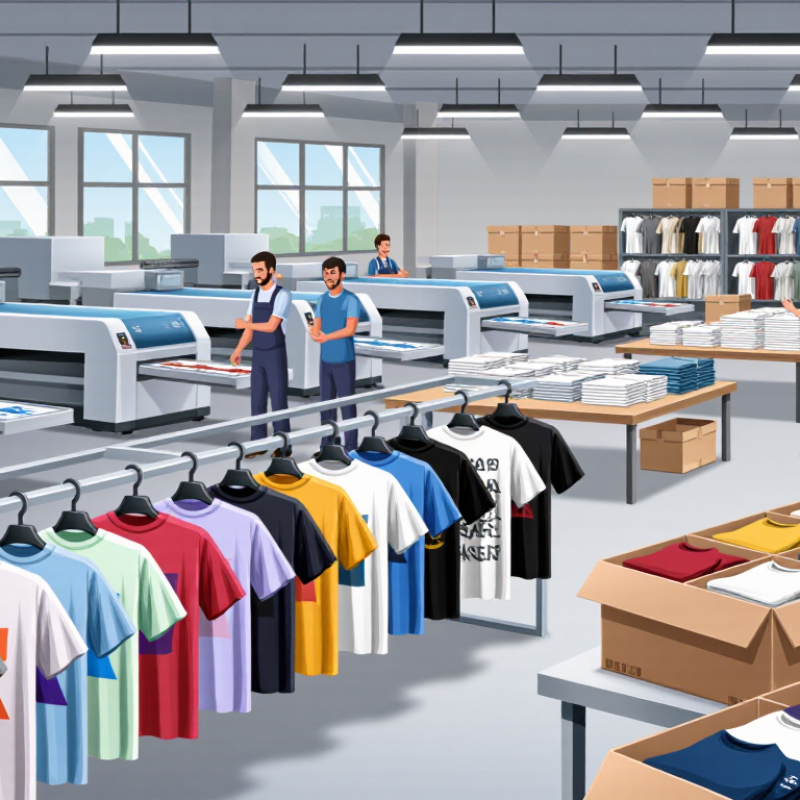
A top graphic T-shirt manufacturer delivers more than attractive artwork. It proves repeatable quality across thousands of units. Grand View Research valued the global custom T-shirt printing market at about US$4.3 billion in 2023, with projected growth of roughly 11% annually through 2030. This expansion increases buyer risk. Strong manufacturers should show measurable fabric weights, shrinkage results, colorfastness tests, and clear print tolerances. A 180 GSM cotton shirt should not become a thin, twisted garment after washing.
Production visibility also defines professional performance.
Reliable factories provide a documented sampling process, realistic lead times, and inspection records before shipment. They can explain whether screen printing, direct-to-film, embroidery, or water-based ink suits each design. The wrong method may crack after a few washes. It happens.
Global buyers also need responsible operational controls. The McKinsey State of Fashion reports continue to highlight cost pressure, supply-chain uncertainty, and stronger expectations for transparency. A capable manufacturer should identify material sources, manage worker safety, and provide consistent export documentation. Certifications can help, but paperwork alone proves little. Buyers should verify certificate scope and expiration dates. I would request a pre-production sample, wash it at home, and compare it with the approved version. That simple test often reveals problems that polished presentations hide.
No supplier is perfect.
The better partner admits limitations, records corrective actions, and improves the next production run.
Key Criteria for Comparing Quality, Pricing, and Production Capacity
10 Best Graphic T-Shirts Manufacturers for Global Buyers?
Key Criteria for Comparing Quality, Pricing, and Production Capacity
Choosing a graphic T-shirt manufacturer requires more than comparing catalog prices. I examine fabric weight, fiber content, print sharpness, stitching, and shrinkage after washing. Samples matter. A 180 GSM cotton shirt may feel stronger than a cheaper 160 GSM option. Ask for wash-test results, colorfastness data, and close-up photos of collars and seams. Reliable suppliers should explain their inspection process clearly, not hide behind polished product images.
Pricing should include printing, labels, packaging, sampling, and shipping preparation. Numbers can mislead. I request a detailed quotation with minimum order quantities and payment stages. A low unit price may become expensive when setup fees or defect allowances appear later. During previous sourcing work, I underestimated packaging costs. That mistake changed the final margin and delayed approval. It taught me to compare landed costs, not factory prices alone.
Production capacity also needs practical verification. Ask how many printing machines operate daily, how many workers handle quality checks, and whether production is managed internally. A factory promising 50,000 pieces monthly should provide a realistic timeline for sampling, bulk production, and rework. Large capacity means little if communication is slow. Check response times, production photos, inspection records, and backup plans for material shortages. I also prefer a small trial order before committing to a seasonal launch, although this can reduce negotiating power.
Profiles of the 10 Best Graphic T-Shirt Manufacturers
Choosing a graphic T-shirt manufacturer requires more than comparing unit prices. Fabric weight, print durability, sampling speed, and communication often determine the real cost. The following profiles highlight ten manufacturers suited to different global buying needs.
A Portugal-based manufacturer is strong in heavyweight cotton and refined stitching. It suits premium streetwear collections with small production runs. A Turkey-based factory offers quick sampling and flexible color matching. Its nearby European shipping routes can reduce lead times. An India-based producer specializes in screen printing, embroidery, and hand-finished details. Buyers should inspect color consistency between batches. A Bangladesh-based manufacturer handles large orders efficiently, especially for basic cotton styles. Independent social compliance checks remain important.
A Vietnam-based facility combines modern cutting equipment with reliable sewing quality. It works well for buyers needing stable monthly output. A Pakistan-based manufacturer offers competitive pricing for cotton jerseys and oversized silhouettes. Print registration should be approved carefully before bulk production. A China-based factory provides broad customization, including woven labels and specialty inks. Its strength is variety, though supplier screening must be detailed. A Mexico-based producer supports faster North American replenishment. It may cost more, but shorter transport can protect launch schedules.
A Poland-based manufacturer serves buyers seeking European production and traceable processes. It is suitable for limited collections and frequent design updates. A United States-based workshop focuses on short runs, local fulfillment, and detailed sample development. Its capacity may be limited during seasonal demand. Ask each supplier for wash-test reports, fabric composition records, production photos, and clear defect policies. Some factories present excellent samples but struggle with repeat orders. That gap deserves attention.
10 Best Graphic T-Shirt Manufacturers for Global Buyers
Production capability comparison across ten manufacturer profiles
The chart compares the number of profiled manufacturers supporting common global-buyer requirements, including low minimum order quantities, custom printing, private labeling, organic cotton options, recycled materials, sample development, international shipping, and recognized textile compliance documentation.
International Ordering, Customization, and Compliance Considerations
Choosing among the 10 best graphic T-shirt manufacturers requires more than comparing unit prices. International buyers should request physical samples, production photos, and recent quality records. A reliable supplier can explain fabric weight, shrinkage, print durability, and sewing tolerances without vague promises. Ask for a clear tech-pack review before approving the first sample. Small details matter.
Customization should cover artwork placement, neck labels, hangtags, packaging, size grading, and color matching. Send vector artwork and specify the required color standard. Screen printing, direct-to-garment printing, embroidery, and heat transfer perform differently on cotton blends. Confirm wash-test results, especially for dark fabrics. One overlooked detail can affect an entire shipment.
Compliance needs equal attention. Check fiber-content labels, care instructions, packaging rules, and chemical-safety documentation for each destination. Request factory audits when practical, but do not treat a certificate as permanent proof. Documents can expire, and production conditions can change. Agree on inspection standards, acceptable defect limits, payment stages, and shipping terms in writing. Customs paperwork should match the actual goods, quantities, and declared materials.
International orders also need realistic timelines. Sampling may take two weeks, while bulk production requires more planning during peak seasons. Buyers sometimes focus too heavily on the lowest quote. That can create expensive revisions later. I still find supplier comparisons imperfect, because communication quality is difficult to measure. A short video call, detailed sample review, and transparent corrective-action process often reveal more than a polished catalog.
How Global Buyers Can Select the Right Manufacturing Partner
Choosing a graphic T-shirt manufacturing partner requires more than comparing prices. Global buyers should inspect fabric quality, printing accuracy, production capacity, and communication habits. Request physical samples, not only digital images. Check the shirt after washing, stretching, and drying. Faded ink tells you something.
Ask for clear details about minimum order quantities, sample fees, lead times, packaging, and payment schedules. A reliable manufacturer explains limitations before receiving an order.
During factory evaluation, review material storage, printing equipment, quality checkpoints, and worker training. Photos can help, but a live video inspection offers stronger evidence. Independent testing may also confirm fabric composition and color performance.
Communication deserves careful attention. Can the production team understand size charts, artwork files, and packaging instructions without repeated corrections? Ask how they handle defects, late materials, and unexpected design changes. Written inspection standards reduce disagreements later. A low quote may hide weak fabric or inconsistent printing. However, an expensive quote is not automatically safer. Compare documented quality with the total landed cost.
Experience can still mislead buyers. A factory may produce excellent samples but struggle with larger volumes. Start with a controlled trial order when possible. Review every measurement, print position, seam, label, and carton count. Keep records of approvals. No partner is perfect. The better question is whether the manufacturer identifies problems early and responds with evidence, speed, and accountability.