Leave Your Message
Why Bomer Jacket Is Popular With Global Buyers?
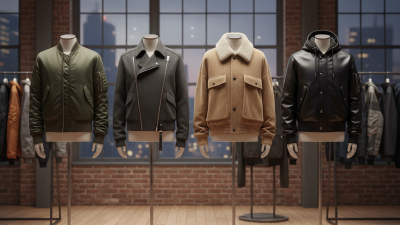
The Bomer Jacket has become a practical choice for buyers seeking casual style, daily comfort, and flexible seasonal use. Its ribbed cuffs, durable zipper, and compact silhouette create a familiar look across many markets. Buyers often inspect the jacket closely, checking stitching, lining, pocket strength, and fabric recovery. Small details matter.
In wholesale sourcing, the Bomer Jacket can support different customer groups. Retailers may request lightweight polyester for spring, quilted lining for colder regions, or cotton blends for softer wear. Experienced suppliers usually provide size charts, fabric specifications, sample approvals, and production photographs. These steps reduce misunderstandings between factories and international buyers. Fit matters. So does consistency.
However, popularity does not guarantee quality. Some jackets look attractive in product images but feel stiff, lose shape, or show uneven seams after washing. Buyers should compare samples, review inspection records, and confirm labeling requirements before placing larger orders. Regional preferences also differ. A loose fit may suit one market, while another prefers a shorter, cleaner cut.
The term “Bomer Jacket” itself is slightly imperfect, because “bomber jacket” is the more common spelling in standard English. Still, many global buyers use the search phrase when looking for this recognizable style. That variation reminds suppliers to understand real customer language, not only textbook terminology. Reliable sourcing depends on clear communication, honest product descriptions, and measurable quality checks. This is where the Bomer Jacket can become more than a fashion item. It can be a dependable commercial product when design, materials, and production control work together.
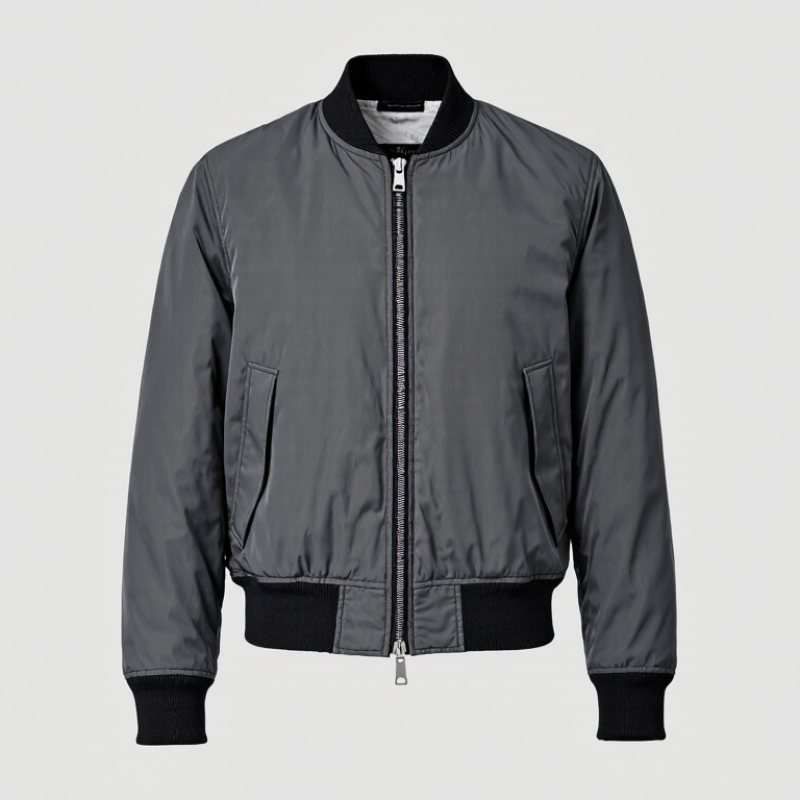
A bomber jacket is a short, zip-front jacket with ribbed cuffs, a ribbed waistband, and practical pockets. Its compact shape helps block wind around the wrists and waist. Early versions were designed for flight crews, where warmth, movement, and easy fastening mattered. Today, makers commonly use nylon, polyester, cotton, leather, or recycled fibers. The fabric changes the jacket’s character. Nylon feels light and crisp. Cotton feels softer but may absorb moisture.
The design remains popular because it works across climates and daily routines. A 2024 Statista Market Insights report estimated global apparel revenue at more than 1.7 trillion U.S. dollars, showing the scale of demand for adaptable clothing. Outerwear occupies a small but important part of this market. Grand View Research also identifies functional performance and lightweight construction as key drivers in the global jackets market. A bomber jacket fits both needs. It can cover a T-shirt in mild weather or layer over knitwear in colder streets. Keep it simple.
Fit still requires judgment. A very loose body may look relaxed but can reduce warmth. A tight waistband may restrict movement when sitting or cycling. This is often overlooked. The best choice depends on shoulder width, layering habits, climate, and fabric weight. The Ellen MacArthur Foundation reports that clothing use and durability strongly influence environmental impact. Therefore, buyers should inspect zipper strength, seam finishing, lining comfort, and wash instructions before purchasing. A fashionable silhouette matters, but a jacket that survives repeated wear matters more.
| Data Dimension | Typical Characteristics | Why It Appeals to Global Buyers | Practical Buying Considerations |
|---|---|---|---|
| Definition | A bomber jacket is a short, waist-length jacket traditionally designed with a front zipper, ribbed cuffs, a ribbed hem, and a relatively relaxed fit. | Its simple structure is easy to recognize, style, and adapt to different markets. | Check whether the cut is classic, slim, oversized, or cropped before selecting a size. |
| Historical Background | The design developed from flight jackets used by military pilots, where warmth, mobility, and a secure fit were important. | The combination of functional heritage and modern streetwear appeal gives the jacket lasting fashion relevance. | Historical details may include a utility pocket, sleeve pocket, ribbed trim, or a high collar. |
| Weather Protection | Common outer fabrics include nylon, polyester, cotton, leather, and blended materials. Protection varies by fabric, lining, and finishing. | Different fabric options allow the style to be sold for mild, cool, dry, or transitional weather conditions. | A standard bomber jacket is not automatically waterproof. Look for water-resistant fabric or a coated finish when needed. |
| Insulation | Lightweight versions may have a thin lining, while colder-weather versions can include synthetic insulation, wool blends, or quilted construction. | Buyers can choose the same recognizable silhouette across multiple seasons and climates. | Insulation level, lining material, and sleeve construction affect warmth, weight, and comfort. |
| Comfort and Mobility | The short length and flexible sleeve design generally allow convenient movement, while ribbed cuffs and hems help reduce drafts. | The jacket works well for commuting, travel, casual outdoor activities, and everyday wear. | Buyers should compare shoulder width, chest allowance, sleeve length, and hem tension rather than relying only on the labeled size. |
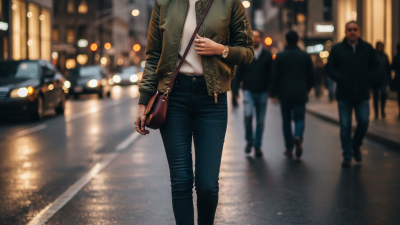
| Styling Versatility | It can be paired with jeans, trousers, knitwear, hoodies, shirts, skirts, and casual footwear. | A versatile wardrobe item can appeal to different age groups, genders, and personal styles. | Neutral colors are generally easier to coordinate, while brighter colors and prints create a stronger fashion statement. |
| Common Material Choices | Nylon and polyester are lightweight and commonly used for casual or weather-oriented versions. Cotton offers a softer, more natural hand feel. Leather provides structure and durability but is heavier and requires additional care. | Material variety supports different price levels, climates, style preferences, and care expectations. | Review fabric composition, lining content, hardware quality, and care instructions before purchase. |
| Seasonal Use | Lightweight bombers are suitable for spring and autumn. Insulated or heavier versions can be used in colder conditions when layered appropriately. | The style has strong year-round potential when fabrics and insulation are adjusted for local climates. | For warm regions, choose breathable or unlined designs. For cold regions, prioritize insulation and layering space. |
| Durability Factors | Durability depends on fabric density, seam construction, zipper quality, ribbed trim recovery, lining strength, and hardware. | Buyers often value outerwear that can be worn repeatedly and combined with many outfits. | Inspect seam consistency, zipper operation, pocket reinforcement, and the stretch recovery of cuffs and hem. |
| Care Requirements | Care varies by material. Many synthetic styles require gentle washing, while leather and some structured fabrics may require professional cleaning. | Clear care instructions help buyers maintain appearance and extend product life. | Always follow the garment label. Avoid high heat when it may damage coatings, insulation, ribbing, or synthetic fibers. |
| Global Market Adaptability | The basic silhouette can be modified through fabric, color, insulation, collar height, pocket design, and fit. | This adaptability makes the style suitable for different climates, cultural preferences, and fashion categories. | For international distribution, provide accurate measurements, fiber content, care labels, and fit descriptions. |
| Key Reasons for Popularity | Recognizable design, practical comfort, easy styling, seasonal flexibility, and a strong connection with aviation and streetwear history. | These combined benefits make the bomber jacket both functional and fashionable for a broad international audience. | The best choice depends on intended climate, preferred fit, material expectations, and maintenance requirements. |
Note: Specifications such as warmth, water resistance, weight, and durability vary by fabric, construction, insulation, and finishing process. Product measurements and care labels should be checked before purchase.