A Yoga Jumpsuit can give an activewear collection a clear, distinctive product story. It combines a top and leggings in one garment, creating a streamlined option for studio sessions, travel, and everyday wear. For customers, fewer separate pieces may mean easier outfit planning. For brands, the design offers room to differentiate through fit, fabric, support, and practical details such as pockets.
The market context is encouraging, though forecasts are not guarantees. Grand View Research estimated the global yoga clothing market at approximately US$31.3 billion in 2023 and projected continued growth through 2030. That estimate points to a sizeable category, but it does not prove that every new style will sell. Product decisions still need customer research. Fit matters.
A strong jumpsuit must work beyond the product photograph. Consider whether the fabric stays opaque during movement, feels comfortable against the skin, and manages sweat in a real class. Test different torso lengths and body shapes; a one-piece garment can fit beautifully on one wearer and pull uncomfortably on another. That detail is easy to miss.
For activewear brands, the opportunity is not simply to follow a trend. It is to develop a reliable garment with clear sizing, considered materials, and useful design choices. Industry forecasts offer context, not a substitute for wear testing or honest feedback. The best Yoga Jumpsuit may begin with a promising sample—and improve after customers point out what still feels wrong.
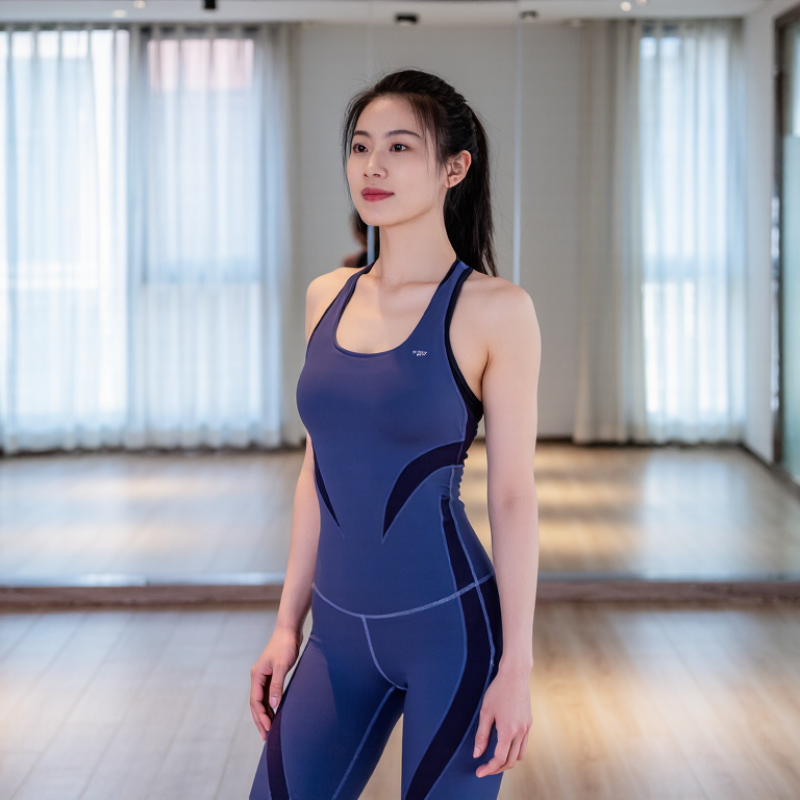
A yoga jumpsuit is a one-piece training garment designed for movement, comfort, and secure coverage. It joins a fitted top with leggings or shorts in one continuous design. Unlike a casual romper, it must support stretching, bending, and inverted poses. The defining feature is a stable fit that moves with the body. Nothing should pinch.
Fabric selection matters greatly. A dependable jumpsuit usually combines stretch fibers with breathable, moisture-managing materials. Four-way stretch helps the garment follow hip, shoulder, and spine movement. A lined front, secure neckline, and opaque fabric protect confidence during deep poses. Flat seams can reduce rubbing around the waist and inner thighs. Practical details matter.
In sample fittings, I check the garment during squats, twists, and overhead reaches. I also examine whether the straps shift or the torso pulls downward. A well-placed gusset can improve mobility without adding bulk. Still, no jumpsuit suits every body shape. A high rise may feel supportive for one wearer but restrictive for another. I have found that adjustable straps and several length options solve some issues, but not all. That limitation deserves honest consideration when developing an activewear collection.
| Dimension | What Defines a Yoga Jumpsuit | Why It Matters for Activewear | Practical Selection Consideration |
|---|---|---|---|
| One-piece construction | A single garment that combines a top and bottom, with designs ranging from fitted full-length styles to shorter silhouettes. | Creates a coordinated outfit in one piece and avoids the need to match a separate top and bottom. | Check torso length, rise, and overall fit across a range of body shapes. |
| Stretch fabric | Common fabric blends include nylon or polyester with elastane (also called spandex); exact composition varies by garment. | Stretch helps the garment move with the wearer during poses and other activities. | Assess stretch and recovery, fabric weight, and feel in the intended movements; fiber content alone does not determine performance. |
| Moisture management | Some styles use synthetic performance fabrics designed to move moisture away from the skin. | Can help improve comfort during exercise, depending on the fabric, construction, and finishing. | Describe moisture-related performance only when it is supported by material specifications or testing. |
| Built-in support | Some designs include a shelf bra, lining, or removable cups; others are made to be worn with a separate bra. | Offers different coverage and support options for different preferences and activities. | State clearly whether support features are included, and evaluate coverage and fit during movement. |
| Gusset and seam construction | A gusset may be added to the crotch area, while seam placement and seam type vary by design. | Construction can affect comfort, fit, and how the garment feels through a range of motion. | Check for comfortable seam placement and durable stitching; a gusset is a design feature, not a guarantee of fit. |
| Coverage and opacity | Coverage depends on the cut, fabric, color, lining, and how much the material stretches when worn. | Appropriate coverage can help the wearer feel comfortable during bending and stretching. | Evaluate the garment in relevant sizes and movements, and avoid relying on fabric color alone to judge opacity. |
| Fit and sizing | Fit varies with body measurements, pattern shape, fabric stretch, and garment length. | A well-considered fit can support comfort and freedom of movement. | Provide garment measurements and clear sizing guidance; test fit across different body proportions. |
| Care and durability | Care requirements depend on the fabric blend, trims, and construction. | Clear care guidance helps customers look after the garment and its performance features. | Follow the garment's care label and validate durability through appropriate wear and wash testing. |
A yoga jumpsuit supports movement by keeping the top and bottom in place as the wearer folds, twists, or reaches overhead. A one-piece design can reduce waistband shifting and fabric bunching, which helps during transitions between poses. Four-way stretch fabric allows the garment to move across the hips and shoulders; a gusseted crotch can also reduce pulling in deep lunges. Comfort still depends on fit. A jumpsuit that feels secure while standing may pinch when seated, so pattern testing should include both dynamic poses and quiet stretches. Textile testing standards such as ISO 11092 measure thermal and water-vapour resistance, useful checks when assessing how a fabric handles heat and moisture.
Comfort is also a product opportunity. Grand View Research’s yoga apparel market report estimated the global market at USD 31.6 billion in 2022 and projected growth through 2030. That figure does not guarantee demand for jumpsuits, but it signals a sizable category where practical details can distinguish a product. Flat seams, breathable panels, and adjustable straps can improve wear; overly compressive fabric or difficult bathroom access can undermine it. Small flaws matter.
Tips: Test samples on different body shapes, not only on a fit model. Ask wearers to hold a squat, reach overhead, and sit cross-legged. Check whether seams rub, straps slip, or fabric turns sheer under stretch. Then revise the pattern—even if the first sample looks polished.
A yoga jumpsuit earns its place in an activewear collection through thoughtful fit, not appearance alone. In fitting sessions, four-way stretch has consistently improved movement through lunges, twists, and overhead reaches. The fabric should recover after stretching. Otherwise, knees and hips may look loose after repeated wear.
A well-shaped gusset reduces pressure at the inner thigh and allows deeper poses. Flat seams can limit rubbing during long practice sessions. The waistband needs firm support without cutting into the stomach. A moderate rise usually stays secure during forward folds. Shoulder straps also deserve careful testing. If they slide, the wearer may adjust them constantly instead of focusing on movement.
Small design choices shape comfort. A breathable, opaque fabric helps users feel secure under bright studio lighting. Moisture control matters during heated classes, but excessive compression can restrict natural breathing. Pockets may add usefulness, although a bulky pocket can disturb balance. I have found that prototypes often fit standing bodies better than moving bodies. That is a warning. Designers should test jumpsuits across different heights, torso lengths, and body shapes. One sample size cannot prove reliable performance. Even skilled pattern development needs honest wear trials, washing tests, and feedback from people who practice regularly.
A yoga jumpsuit can give an activewear collection a clear, recognizable shape. Instead of pairing a top and leggings, customers get one coordinated piece. That makes styling simple for a studio class, a walk home, or a quick coffee stop. The uninterrupted silhouette also gives a brand room to develop distinctive details, such as a square neckline, subtle seam lines, or a practical pocket.
Fit matters more than appearance alone. A jumpsuit should stay comfortable through a deep squat and feel secure when arms lift overhead. Soft, opaque fabric and seams that do not rub can make a real difference during repeated wear. Small details count. Brands can strengthen customer trust by testing samples across different body shapes and movement routines, then describing fabric stretch and support accurately. A polished product photo cannot replace that work.
There is a trade-off. Some customers prefer separate pieces for easier layering or a more adjustable fit. Bathroom breaks can also be less convenient in a one-piece design. Ignoring those concerns may weaken repeat sales. Offering carefully considered cuts, inclusive sizing, and clear fit guidance helps customers choose with confidence. It takes effort. When the design performs as well as it looks, a jumpsuit can become a useful signature piece rather than a passing trend.
A yoga jumpsuit can give an activewear range a clean, coordinated look, but fabric choice should start with how customers move. For heated classes, test lightweight, moisture-managing knits that dry quickly. For slower sessions, a softer, brushed hand feel may matter more than maximum compression. Stretch recovery is essential: after repeated squats, the knees and seat should return smoothly, without bagging. Check opacity under a deep forward fold, too. A fabric that looks solid on a hanger may turn sheer when stretched.
Material impact also deserves scrutiny. Textile Exchange’s Materials Market Report 2024 estimates that polyester made up 57% of global fiber production in 2023. That scale makes recycled options worth evaluating, but recycled content alone does not prove a garment performs well or has a lower overall impact. Ask suppliers for composition and test documentation, then assess pilling, colorfastness, seam comfort, and wash performance on finished samples. Small panels and gussets can improve mobility, while overly tight waistbands may distract during breathing. Fit is personal; one sample size cannot answer everything.
Tips: Test a sample through a real class, including bends and seated poses. Record opacity, recovery, and waistband movement after washing. If one detail disappoints, revise it rather than assuming customers will adapt.