Top Quality Polo Shirts from China for Global Buyers?
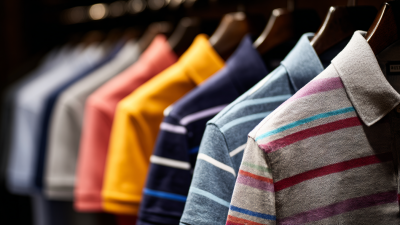
In today's global fashion market, Polo Shirts from China stand out for their exceptional quality and variety. Buyers across the world seek garments that not only meet standards but also reflect personal style. China's manufacturing industry has become a significant player, offering a wide range of Polo Shirts suited for different tastes and needs.
The process of sourcing these shirts requires careful consideration. Quality can vary greatly among suppliers. Therefore, doing thorough research is essential. Established brands understand the importance of reliable partnerships, while new buyers may feel overwhelmed. Yet, a commitment to finding trustworthy sources can lead to rewarding outcomes.
Certain challenges can arise when navigating this market. Some may encounter issues with inconsistent sizing or fabric quality. As a result, ongoing communication with suppliers is vital. Evaluating samples before committing to large orders can help avoid misunderstandings. These steps not only ensure product satisfaction but also build a foundation for long-term business relationships.

Top Quality Polo Shirts: An Overview of Chinese Manufacturing Standards
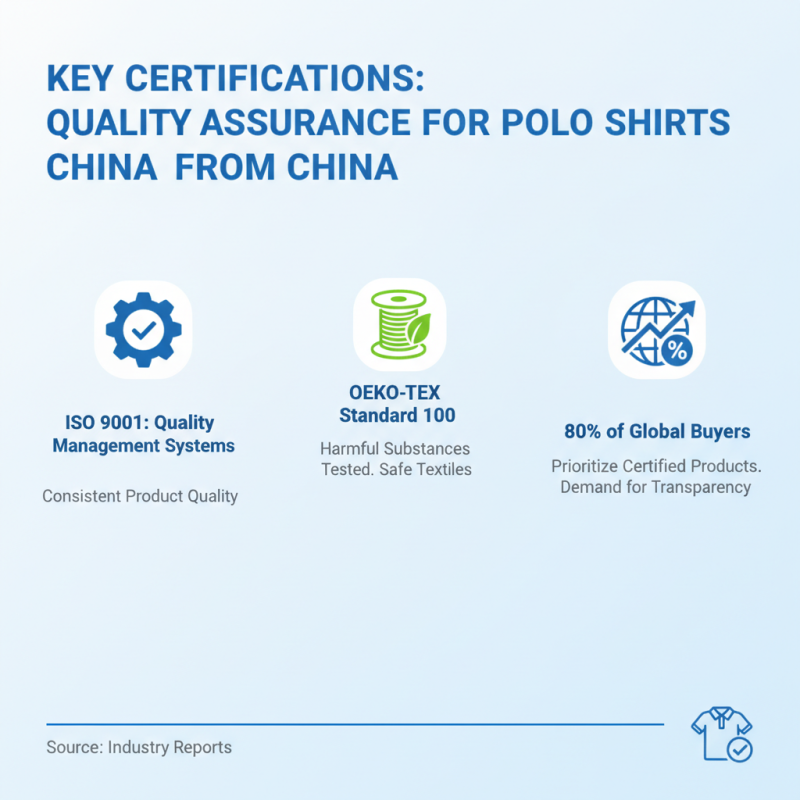
The Chinese polo shirt manufacturing sector has grown significantly. According to industry reports, China accounts for over 30% of the global apparel market. This includes a wide range of polo shirts made from different fabrics. Fabrics like cotton and polyester ensure comfort and durability. High-quality polo shirts often use advanced dyeing techniques, ensuring vibrant colors that remain fade-resistant.
However, not all manufacturers meet stringent quality standards. Some factories prioritize speed over quality. Reports indicate that about 15% of Chinese garment factories do not pass regular quality checks. This inconsistency can lead to issues like uneven seams or color mismatches. It's essential for global buyers to conduct thorough inspections before partnering with manufacturers.
Environmental concerns also play a role in this sector. Sustainable practices are gaining traction. Approximately 40% of buyers now look for eco-friendly manufacturing processes. Yet, many factories still rely on outdated methods that can harm the environment. Balancing quality with sustainability remains a challenge for manufacturers.
Top Quality Polo Shirts Manufacturing Standards in China
Market Trends: The Global Demand for Polo Shirts and Their Appeal
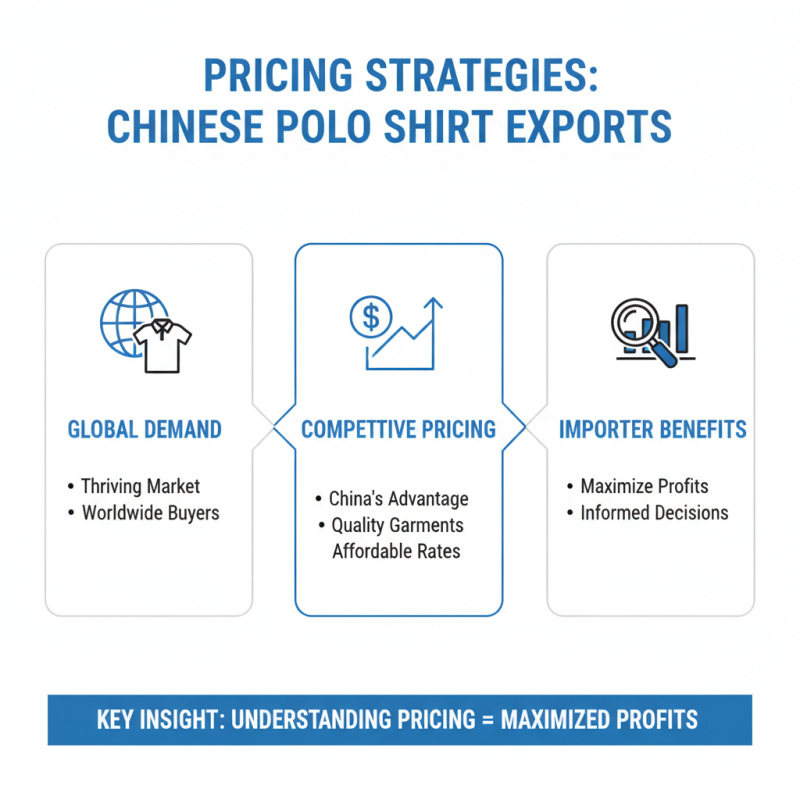
The global demand for polo shirts has surged, creating opportunities for buyers to explore high-quality options. These shirts, celebrated for their versatility and comfort, appeal to various demographics worldwide. From casual wear to workplace attire, their adaptability makes them a staple in many wardrobes. The integration of modern fabrics enhances their functionality and breathability. Furthermore, the trend towards sustainable fashion pushes manufacturers to adopt eco-friendly practices.
Tips for choosing the right polo shirts include assessing fabric quality. Look for options that offer both comfort and durability. Pay attention to stitching and overall construction. Ensure the fit is appropriate for the intended use. Sizes may vary across regions, so consult size charts carefully.
As the market evolves, buyers should stay informed. Trends indicate a rising interest in customizable designs. This allows for personalization while maintaining the classic polo look. However, be cautious about fast fashion. Research suppliers thoroughly to ensure ethical production. Quality should not be sacrificed for price. Always question the sourcing of materials. Balancing cost with ethical considerations is critical in today’s market.
Sustainability Practices: Eco-Friendly Polo Shirt Production in China
Sustainability has become a critical concern in the apparel industry. In China, eco-friendly practices are increasingly shaping the production of polo shirts. Recent studies reveal that about 70% of textile companies are now incorporating sustainable practices. This shift is driven by global demand for environmentally conscious products.
Water usage remains a significant issue. Traditional dyeing methods can consume up to 100 liters per shirt. However, innovative technologies are emerging. Waterless dyeing techniques can reduce this usage by 90%. Brands are also focusing on using organic cotton. This type of material not only reduces chemical usage but supports sustainable farming practices.
While progress is evident, challenges persist. The transition to sustainability often leads to higher production costs. Small manufacturers may struggle to meet eco-friendly standards. Additionally, the recycling of polyester remains underdeveloped. As the market evolves, continuous adaptation will be necessary. Engaging with eco-friendly practices can be a daunting task, yet it’s a crucial step for the future of the industry.
Top Quality Polo Shirts from China for Global Buyers - Sustainability Practices: Eco-Friendly Polo Shirt Production in China
| Production Process |
Materials Used |
Sustainability Practices |
Certifications |
Average Price (USD) |
| Knitting and Dyeing |
Organic Cotton |
Water Saving Techniques |
GOTS Certified |
15.00 |
| Cutting and Sewing |
Recycled Polyester |
Solar Energy Utilization |
OEKO-TEX Standard 100 |
18.50 |
| Finishing and Packing |
Bamboo Fiber |
Eco-Friendly Dyes |
Fair Trade Certified |
20.00 |
| Quality Control |
Hemp |
Waste Reduction Initiatives |
Global Recycling Standards |
22.00 |