How to Choose the Best Two Piece Swimsuit in 2026?
Choosing the best Two Piece Swimsuit in 2026 requires more than following seasonal colors or viral designs. A flattering set should feel secure, move naturally, and suit the way you actually spend time near water. That may mean lap swimming, beach walking, paddleboarding, or sitting beneath a hot afternoon sun.
Swimwear designer Anne Cole once said, “The bikini is a great equalizer.” Her words still matter because confidence often begins with practical comfort. The right Two Piece Swimsuit should not dig into your shoulders, shift when you move, or require constant adjustment. Check the fabric blend, lining, stitching, and closure quality. Look for chlorine resistance when using a pool, and consider UPF-rated fabric for extended outdoor wear. Small details matter.
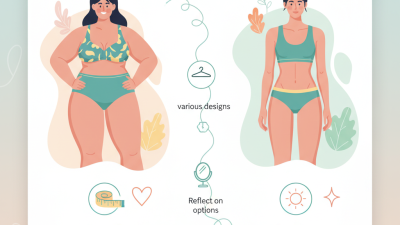
Body shape can guide your search, but it should never limit your choices. High-waisted bottoms may offer extra coverage, while adjustable straps can improve support. A sporty top may work better for active movement than a delicate triangle style. Still, product photos can mislead. Lighting hides texture. Posing changes fit.
No checklist is perfect.
Read customer reviews carefully, especially comments about sizing, opacity, and fabric recovery. Measure your bust, waist, and hips instead of trusting one familiar size. I may prefer a certain silhouette, yet another design could perform better in real conditions. Try sitting, bending, and walking before removing the tags. The best choice balances appearance, durability, comfort, and personal confidence. Trends change quickly. A well-made swimsuit should remain useful after the trend fades.
Understanding Two-Piece Swimsuit Styles and Their Main Features
How to Choose the Best Two-Piece Swimsuit in 2026?
Understanding Two-Piece Swimsuit Styles and Their Main Features
A two-piece swimsuit should match your activities, comfort needs, and preferred coverage. Style matters, but fit matters more.
Triangle tops create a classic shape and often include adjustable ties. They work well for tanning, but thin straps may feel unstable during active swimming. Bandeau tops look clean and reduce tan lines. However, they may shift without strong side support or removable straps.
High-waisted bottoms provide more stomach coverage and can create a defined waistline. Low-rise bottoms usually feel lighter and show more skin. High-cut legs can visually lengthen the legs, although they may offer less coverage around the hips. I have found that moderate-cut bottoms suit more movement because they stay in place during walking and swimming.
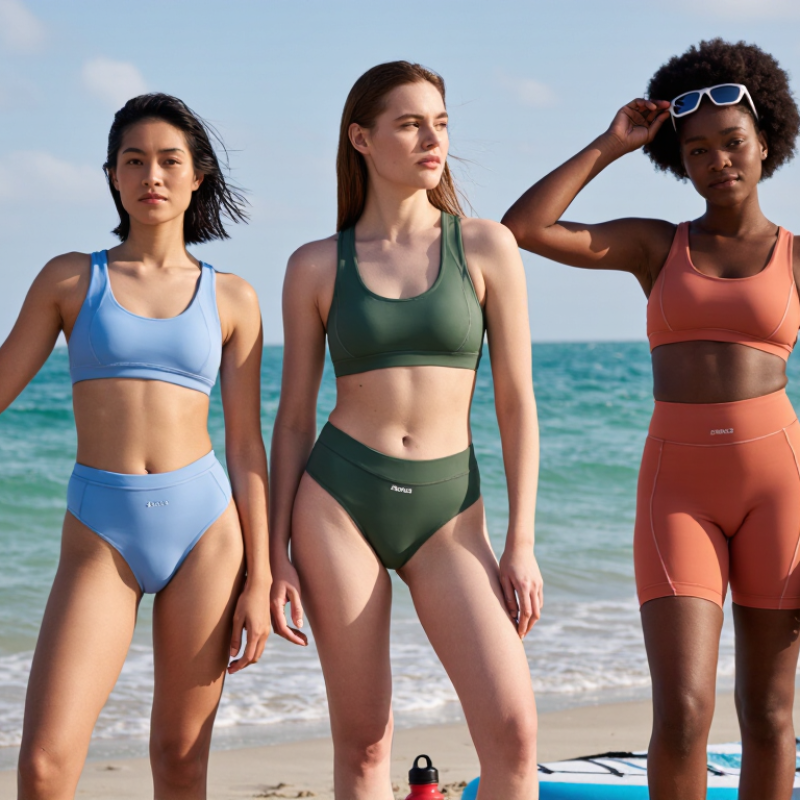
Supportive options often include wider straps, molded cups, or a firm underband. These details matter for larger busts and active beach days. A sporty two-piece may use cross-back straps and secure waistbands. It is practical, though sometimes less flattering than expected.
Check the fabric closely. A dense, double-lined material should resist transparency when wet. Stretch fabric should recover after movement instead of sagging. Look for chlorine-resistant fibers if you swim frequently. UV-protective fabric can help, but it does not replace sunscreen or shade.
Try sitting, bending, and raising your arms before buying. A swimsuit that looks perfect while standing may pinch when you move. I sometimes choose more coverage than planned, especially when waves are strong. That is not always the most fashionable choice, but comfort changes how confidently you swim.
Identifying Your Fit, Coverage, and Support Requirements
Choosing a two-piece swimsuit in 2026 starts with three practical questions: Does it fit, cover, and support you?
A stylish cut cannot compensate for pinching straps or shifting fabric. Measure your bust, waist, and hips while standing naturally. Then compare those measurements with the size chart, not your usual clothing size. I have found that measuring twice helps, especially after seasonal weight changes. Bodies are not fixed templates.
Coverage should match your planned movement.
A high-waisted bottom may feel secure during beach walks, while fuller sides can reduce rubbing. Test the leg openings by sitting, bending, and taking several steps. If the fabric rides upward, the cut may not suit your movement. Check the lining in bright light. Thin, pale fabric can become more revealing when wet. This detail is easy to miss online.
Support depends on construction, not appearance alone.
Wider straps distribute pressure across the shoulders. An adjustable band should feel firm without leaving deep marks. For a larger bust, seek shaped cups, a stable underband, and stronger side panels. For a smaller bust, removable inserts can change the silhouette, but they may shift after swimming.
I once trusted a neat-looking tie closure and spent the afternoon retightening it. A secure clasp would have been wiser.
Check seams, stretch recovery, and fabric density before buying. If the suit feels restrictive in the fitting room, water will not magically improve it.
Choosing Fabrics, Colors, and Designs for Comfort and Durability
Choosing the best two-piece swimsuit in 2026 starts with fabric, not fashion. In fitting sessions, I look for dense stretch, smooth recovery, and flat seams. Nylon-elastane blends usually feel soft and flexible against wet skin. Polyester blends often resist chlorine and sunlight better. Textile Exchange’s 2024 Materials Market Report found recycled polyester represented about 14% of global polyester production in 2023. That figure supports recycled options, but recycled does not automatically mean durable.
Check the label for fiber percentages and care instructions. A fabric with strong recovery should return after stretching around the hips. Hold it toward the light. Thin areas may show uneven knitting. The wrong lining can feel rough after two hours near salt water. I once chose a beautiful, pale suit with weak elastic. It looked polished on day one and sagged after several swims. That mistake still influences my buying decisions.
Color affects practical wear. Dark shades hide sunscreen marks, while bright colors create clearer contrast in photographs. The Global Swimwear Market report by Grand View Research estimated the market at roughly USD 20 billion in 2023, reflecting wider demand for varied designs. Adjustable straps, secure ties, and medium-width bands improve comfort across different body shapes. High-waisted bottoms can reduce shifting, but excessive compression may leave red marks. Test the suit by sitting, reaching, and walking. It should stay secure without demanding constant adjustment.
Matching Swimsuit Features to Swimming Activities and Body Movement
How to Choose the Best Two Piece Swimsuit in 2026?
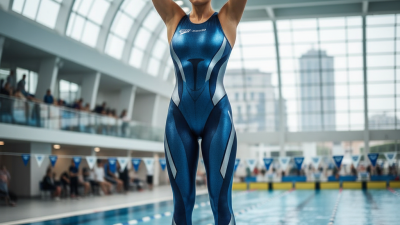
A two-piece swimsuit should match your movement, not only your measurements. For lap swimming, choose secure straps, a firm underband, and fabric that stays flat during turns. A medium-coverage bottom can reduce distractions when pushing off the wall. For water aerobics, prioritize stretch and a comfortable leg opening. Your body will bend, reach, and twist repeatedly.
Beach swimming allows more design flexibility, but movement still matters. Adjustable straps help when waves pull the fabric. A higher waist can feel steadier during walking, sitting, or climbing from the water. For paddleboarding, look for secure coverage and quick-drying material. Wet fabric can become heavy. Check the lining, seams, and closure before buying.
Tips:
Move in the swimsuit before swimming. Raise your arms, squat, and rotate your shoulders. Watch for pinching at the hips or gaping near the bust. I once trusted a size chart and ignored the leg openings; that was a mistake. Sizing charts help, but they are not perfect. If possible, test the suit with the same movements your activity requires. A good fit should feel supportive, not restrictive.