7 High Waisted Swimsuit Buying Tips for Global Buyers?
Buying a High Waisted Swimsuit is not simply a style decision. It is a fit, fabric, and sourcing decision. Global buyers face different body proportions, climate conditions, labeling rules, and return expectations. A flattering photograph cannot reveal everything.
Grand View Research estimated the global swimwear market at approximately USD 20.7 billion in 2023. Its report projects continued growth through 2030. Textile Exchange reported that global fiber production reached about 124 million tonnes in 2023. These figures matter because demand is growing while material choices become more important. Recycled content sounds attractive, but buyers should verify composition, certification, and performance claims.
Norma Kamali, a renowned swimwear designer, has said, “The body is the garment.” Her statement is simple, but easy to forget. A high waist may smooth the midsection, yet poor elastic recovery can create rolling after several hours. A bright lining may prevent transparency in a showroom, but fail under strong sunlight or repeated washing. Small details become expensive problems.
This guide presents seven practical buying tips for international purchasers. It examines rise height, stretch recovery, size grading, lining, stitching, fabric composition, supplier communication, and quality inspection. Each point connects appearance with measurable performance. Check the measurements twice.
Some recommendations may not fit every market. Local preferences, import requirements, and customer feedback still matter. That uncertainty should be documented, not ignored. Reliable decisions come from comparing samples, technical sheets, test results, and verified supplier claims. A High Waisted Swimsuit should look confident, feel secure, and perform beyond the product photograph.

Understanding High-Waisted Swimsuit Styles and Coverage Levels
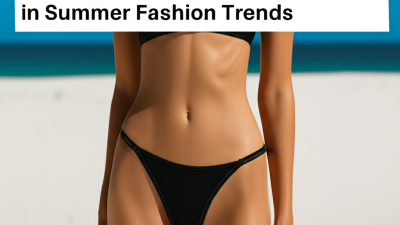
High-waisted swimsuits differ mainly in rise, leg opening, neckline, and coverage. A classic brief reaches the natural waist and offers moderate coverage around the hips. A high-cut leg can lengthen the appearance of the body, while a lower leg opening feels more secure during swimming. Full-coverage bottoms suit buyers who prefer more fabric at the back and sides. Cheeky cuts expose more skin and may need careful size selection.
The top also changes the swimsuit’s function. A bralette top feels relaxed, but wider straps can provide better support for movement. A one-piece with a defined waist offers more coverage across the stomach and back. Adjustable straps, removable cups, and a firm underband help accommodate different body shapes. However, removable cups may shift during active use. That detail is easy to overlook.
Global buyers should compare garment measurements, not only local size labels. Waist and hip measurements should be checked against the supplier’s chart. Standards vary between markets. Fabric recovery matters too: a swimsuit should stretch smoothly and return to shape after fitting. I have found that a slightly snug fit often feels secure, but excessive compression can restrict breathing and movement. Try sitting, walking, and raising both arms before judging the fit. Small design choices matter. High-rise coverage is not identical across every style, so product photos should be studied alongside measurement details.
Evaluating Fabric Quality, Stretch, Durability, and Sun Protection
When buying high-waisted swimsuits globally, inspect fabric quality before choosing color or shaping. Textile Exchange’s 2024 Materials Market Report estimates that polyester represented 57% of global fiber production in 2023. Recycled or virgin, the fiber still needs dense knitting and even coverage. Hold the fabric toward light. Large gaps suggest weak opacity when wet. Check the lining, too. A thin lining may twist after washing.
Stretch should feel controlled, not loose. Pull the fabric across the hips, then release it. Strong recovery reduces sagging around the waist and leg openings. Look for four-way stretch, but do not trust that label alone. Ask suppliers for stretch-recovery results after repeated cycles. Seams deserve equal attention. Flat, secure stitching usually handles movement better than rushed overlocking. I have seen attractive samples fail at the waistband. Appearance can mislead.
Durability includes chlorine, salt water, sweat, washing, and sunlight. Request colorfastness and dimensional-change test results, preferably referencing recognized textile methods such as ISO 105 and ISO 6330. Sun protection needs evidence, not marketing language. UPF 50 fabric allows roughly 2% of ultraviolet radiation through, when tested under recognized procedures such as AATCC TM183 or AS/NZS 4399. Still, stretching, moisture, wear, and poor coverage can reduce protection. A supplier should state the test condition, fabric composition, and finished-garment result. I would not assume a high UPF rating remains unchanged forever. That assumption needs checking.
Checking Support, Comfort, Adjustability, and Functional Details
7 High Waisted Swimsuit Buying Tips for Global Buyers
High-waisted swimwear is not automatically supportive. Check the fabric blend, lining, and waist construction. A wide waistband should sit flat without folding when you bend. Test it while sitting, walking, and raising both arms. The right suit should feel secure, not restrictive.
The Grand View Research swimwear market report estimates the global market exceeded USD 20 billion in 2023. That scale reflects many body shapes, climates, and activity levels. One fit standard cannot serve every buyer.
Tips:
Look for adjustable straps, removable cups, and a firm but flexible inner lining. Test the straps with wet hands, because adjustment becomes harder near water. For active swimming, examine the leg openings and back coverage. They should stay in place during repeated movement. For lounging, softer compression may be more comfortable. Small details matter, including flat seams, rust-resistant hardware, and a secure pocket if needed.
Textile Exchange’s 2024 Materials Market Report reported global fiber production at 124 million tonnes in 2023. Material selection therefore deserves attention, not only appearance. Recycled fibers can support lower-impact sourcing, but they do not guarantee durability.
Professional buyers should request measurement charts, stretch recovery data, and fabric composition. Ask whether testing covers chlorine, saltwater, and repeated washing. A swimsuit may fit perfectly when dry, then loosen after several uses. I have found that return policies matter almost as much as measurements. International sizing remains inconsistent. That is inconvenient, but real. Examine customer feedback for waistband rolling, transparent fabric, and strap slippage.