Leave Your Message

Top Cowboy Hat Manufacturers for Wholesale Buyers

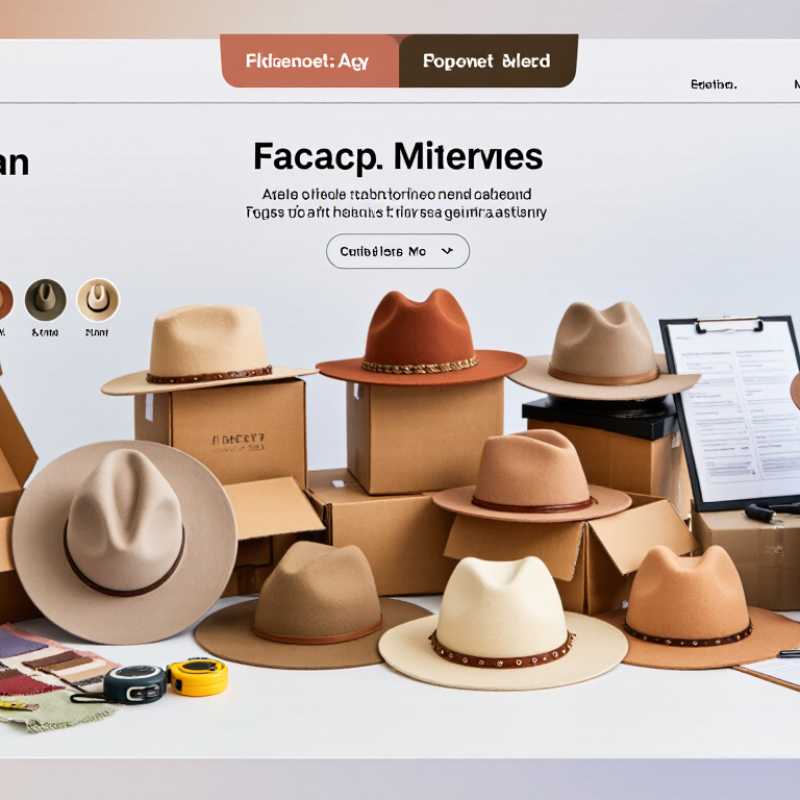
Choosing a wholesale Cowboy Hat manufacturer is more than comparing unit prices. Buyers need consistent sizing, dependable materials, clear customization options, and production schedules they can verify. A hat may look polished in a product photo, yet feel different when its brim arrives uneven or its stitching varies between batches. Small details matter.

This guide introduces manufacturers that serve retailers, distributors, and private-label brands. It considers practical factors such as felt and straw options, crown shapes, sweatband finishes, packaging, minimum order quantities, and sample availability. These details help buyers ask better questions before committing to a large order. Ask for current specifications. Request a preproduction sample. Confirm how the supplier handles defects and changes in delivery dates.

Not every manufacturer will suit every business. Some may offer broad customization but require larger orders; others may be better for straightforward styles and smaller runs. That trade-off deserves attention. Product claims and lead times should be checked directly with each supplier, since offerings can change. A useful shortlist should match your target customer, price range, and expected order volume—not simply feature the lowest quote. The manufacturers covered here provide a starting point for comparison, not a substitute for due diligence. A little extra checking can save time, money, and avoidable disappointment.
Top Cowboy Hat Manufacturers for Wholesale Buyers

Cowboy Hat Manufacturing: Products, Materials, and Production Methods

Top Cowboy Hat Manufacturers for Wholesale Buyers

Cowboy Hat Manufacturing: Products, Materials, and Production Methods

Wholesale cowboy hat buyers need more than attractive samples. Manufacturers should offer clear product choices, material records, and repeatable sizing. Common products include wool felt hats for cooler seasons, straw hats for warm weather, and leather-trimmed styles for rugged retail displays. I have found that crown height and brim shape can change the whole fit. A sample may look excellent, yet bulk pieces can vary if blocking pressure is poorly controlled. That detail deserves attention early.

Material selection affects cost, comfort, and shelf life. Wool felt provides warmth and a smooth finish, while straw offers airflow and lower weight. Cotton blends can reduce price, but they may lose shape sooner. Leather bands add texture, though inconsistent thickness can create uneven seams.

Ask for fiber content, moisture testing, colorfastness checks, and packaging specifications. Small records build trust. Some buyers overlook odor after finishing. I would not.

Production methods usually include felting, weaving, blocking, trimming, pressing, and final inspection. A reliable factory documents temperature, steam exposure, drying time, and dimensional tolerance. For wholesale orders, request a pre-production sample and an approved measurement chart. Inspect stitching around sweatbands and the attachment of decorative cords.

Minor defects happen. The response matters more. Ask how rejected units are separated and corrected. I have learned that the cheapest quote often hides rework, weak cartons, or inconsistent packing. A transparent manufacturer explains limits instead of promising perfection.


Types of Cowboy Hat Manufacturers and Their Wholesale Markets

Cowboy-hat manufacturers serve different wholesale needs. Full-package factories can manage materials, shaping, trimming, and packing, making them useful for larger repeat orders. OEM and private-label producers offer more control over crown shape, brim width, felt or straw, and size runs. Smaller specialist workshops may handle custom finishes and short runs, though capacity and delivery times can vary. Stock wholesalers, by contrast, suit buyers who need ready-made styles quickly.

The market context is broader than cowboy hats alone. Grand View Research estimated the global headwear market at USD 26.5 billion in 2022 and projected 6.5% annual growth from 2023 to 2030. Its report covers headwear overall, not cowboy hats specifically, so treat it as context rather than a cowboy-hat sales forecast. That distinction matters.

Wholesale markets include ranch and rodeo retailers, Western-wear stores, tourism shops, and fashion distributors. Each values different details: durable sweatbands for frequent wear, consistent sizing for retail shelves, or distinctive colors for seasonal displays. Ask suppliers for material specifications, sample pieces, minimum order quantities, and production timelines. A polished catalog can still hide uneven sizing or slow replenishment. There is no perfect supplier checklist; testing a small order can reveal problems that product photos cannot.

Top Cowboy Hat Manufacturers for Wholesale Buyers - Types of Cowboy Hat Manufacturers and Their Wholesale Markets

Manufacturer Type Common Hat Materials Typical Production Focus Common Wholesale Buyers Wholesale Market Fit Key Buying Considerations
Felt Hat Manufacturers Wool felt, fur felt, and blended felt Structured hats with shaped crowns and brims; styles can range from everyday wear to dress and performance use. Western wear retailers, hat shops, rodeo outfitters, and uniform or costume suppliers Retail and specialty markets where customers value a defined shape, a traditional look, and options across price levels Ask about felt composition, sizing, sweatband construction, available shapes, and whether the hats are sold with standard or custom trims.
Straw Hat Manufacturers Straw and other plant-based weaving materials, including paper-based straw alternatives Lightweight hats made with woven bodies; styles may use different weave patterns, brim widths, and crown shapes. Western wear stores, outdoor retailers, resort shops, event suppliers, and seasonal retailers Warm-weather and travel markets, especially where buyers seek lightweight headwear for outdoor use Check weave consistency, brim shape, sizing, trim options, and how products are packed to help prevent crushing during shipment.
Traditional Western Hat Makers Felt and woven straw, depending on the collection Western-style hats with shaped crowns and brims; some makers offer multiple fits, finishes, and trim choices. Western apparel stores, tack and ranch supply retailers, and specialist hat stores Specialty retail markets where customers are looking for recognizable Western styling and product variety Compare available sizes, shape consistency between production runs, finish options, and reorder availability.
OEM and Private-Label Manufacturers Materials specified for the order, commonly felt or straw Production to a buyer’s design brief, which may include private labels, custom colors, trims, packaging, or selected hat shapes. Retail chains, online sellers, distributors, promotional-product buyers, and emerging private labels Markets that need differentiated assortments or products made to a retailer’s specifications Confirm minimum order quantities, sample and approval steps, customization limits, lead times, and ownership of artwork or labels.
Custom and Small-Batch Hat Makers Often felt or straw, selected for the requested design and finish Made-to-order or limited-run hats with greater attention to individual shaping, fit, or detailing. Independent boutiques, costume departments, performers, event businesses, and specialty retailers Niche markets where distinctive styling, small assortments, or custom-fit options matter more than high-volume supply Discuss production capacity, repeatability, sample approval, order scheduling, and how custom specifications will be documented.
Volume-Oriented Headwear Factories Materials vary by product and buyer specification; straw and felt styles may be included in broader headwear ranges Repeatable production for larger orders, with processes designed around standardized specifications and batch manufacturing. Importers, distributors, large retailers, and multi-store buying groups High-volume wholesale programs that prioritize consistent specifications, dependable replenishment, and coordinated logistics Verify production capacity, quality-control procedures, size and color tolerances, packaging standards, and delivery schedules.

Note: Manufacturer categories describe common supplier models, not a company ranking. Materials, production capabilities, order requirements, and lead times vary by supplier and should be confirmed before placing a wholesale order.

How Wholesale Buyers Evaluate Cowboy Hat Manufacturers

Wholesale buyers should assess cowboy hat manufacturers by repeatability, not showroom polish. Request samples across several sizes, colors, and production batches. Measure crown height, brim width, and circumference against written tolerances. Then compare the next batch. Small details matter. Check brim symmetry, stitching, sweatband attachment, and whether hats keep their shape after packing. A polished sample can mislead. Ask about minimum order quantities, production capacity, lead times, and how defects are handled. Get the answers in writing.

Material sourcing deserves equal attention. Textile Exchange’s Materials Market Report 2024 estimates that global fiber production reached 124 million tonnes in 2023. Polyester accounted for 57 percent. These figures do not describe hat production directly, but they show why buyers should ask where materials come from and how supply changes may affect consistency. For felt and straw styles, request clear material specifications and batch-level checks. Ask whether the factory can document fiber content and inspect incoming materials. Also review its quality-control records and packing process. Hats arriving with crushed brims create real costs. No checklist catches every issue, though; test the supplier with a small order before committing to a larger run.

How Wholesale Buyers Evaluate Cowboy Hat Manufacturers

Illustrative buyer-priority weighting for a supplier comparison scorecard—not survey results. Adjust the weights to match your product, market, and sourcing requirements.

Leading Cowboy Hat Manufacturers for Wholesale Buyers

Top Cowboy Hat Manufacturers for Wholesale Buyers

Leading Cowboy Hat Manufacturers for Wholesale Buyers

Wholesale buyers should assess cowboy hat manufacturers beyond catalog photos. Check felt or straw composition, crown dimensions, brim consistency, stitching, and sweatband comfort. Request samples in several sizes. A hat can look refined on a product page yet feel stiff after an hour outdoors. Small details matter.

Grand View Research estimated the global headwear market at about US$29.7 billion in 2023, with projected annual growth of 6.1% from 2024 to 2030. This broad category includes many styles, not cowboy hats alone. Still, the report signals a substantial market where reliable supply and clear product specifications can help buyers plan assortments. Ask manufacturers for material descriptions, size tolerances, production lead times, and written quality checks. Useful questions.

For bulk orders, compare sample quality with finished production, not only the first approved piece. Confirm carton quantities, packaging protection, replacement terms, and how custom colors are documented. Request a production sample before approving a large run. One weakness in my own buying checklist is that it can overemphasize appearance; wear testing and consistent sizing deserve equal attention. A realistic review takes time.

Wholesale Sourcing, Customization, and Order Considerations

Top Cowboy Hat Manufacturers for Wholesale Buyers

Wholesale buyers should assess manufacturers through samples, communication, and production evidence. A reliable supplier should explain felt, straw, leather, lining, sweatbands, and finishing methods clearly. Request a physical sample before approving a large order. Inspect the crown shape, brim balance, stitching, color consistency, and interior comfort. A low quote is not always a saving. Weak materials can create returns, damaged reputation, and slower sales.

Customization needs precise instructions. Share measurements, reference photos, color codes, logo placement, packaging needs, and target quantities. Confirm whether custom hatbands, pins, labels, or embroidery affect the minimum order quantity. Ask for a written timeline covering sampling, production, inspection, and shipping. Keep a small buffer for seasonal demand. Delays happen. I would also question any supplier promising perfect results without reviewing a sample. That confidence may sound efficient, but it deserves closer examination.

Tips: Compare at least three manufacturers. Ask for material details and recent production photos. Test one sample in real conditions, including sunlight and light rain. Check how the brim returns after gentle handling. Confirm defect policies before payment. Review carton strength and size, especially for long-distance shipping. Record every approved detail in one specification sheet. Small omissions can become expensive corrections. Avoid choosing only by price; dependable communication often protects the order better than a discount.