Leave Your Message

How to Choose the Best Straw Cowboy Hat for Wholesale?

Choosing the best Straw Cowboy Hat for wholesale requires more than comparing prices. A photograph may show a wide brim, braided edge, and attractive natural color. It cannot reveal stiffness, sweat absorption, crown recovery, or long-term shape retention. Those details decide whether buyers reorder.

John B. Stetson, the American hat-making pioneer, is often associated with the principle, “A hat is more than just a hat.” That idea remains useful for wholesale purchasing. A Straw Cowboy Hat must combine appearance, comfort, durability, and reliable sizing. It should look authentic on a store display and feel comfortable during a hot outdoor event.

Start with the straw material. Natural straw can provide texture and breathability, while paper straw may offer consistent color and lower costs. Neither choice is automatically better. Test both in your target market.

Check the weave closely. Loose weaving may create attractive texture, but it can weaken the brim. Press the crown gently. It should recover without obvious cracking or permanent dents. Examine the sweatband, stitching, chin cord, and inner label. Small defects become expensive when multiplied across hundreds of units.

Wholesale buyers should also request size samples before placing large orders. Fit problems are common. They are easy to underestimate.

Ask suppliers about carton protection, moisture control, color consistency, and replacement policies. A low unit price may hide higher return costs. I have seen buyers focus too heavily on appearance and regret ignoring packaging quality. That mistake is worth remembering.

The strongest choice balances seasonal demand, customer comfort, supplier reliability, and realistic margins. Trends matter, but dependable construction usually sells longer.
How to Choose the Best Straw Cowboy Hat for Wholesale?

Define Your Wholesale Straw Cowboy Hat Requirements

For wholesale buyers, the best straw cowboy hat begins with a precise purchasing brief. Define your customer, selling climate, target price, size range, and delivery window. A beach retailer may need lightweight paper straw, while ranch stores often prefer firmer natural fiber and deeper crowns. Write those differences into the specification. Do not rely on “premium” alone. Record brim width, crown height, weave density, sweatband material, chin-cord option, and carton dimensions. Request a size-set sample before approving a large order. Small fit errors become expensive returns.

Use measurable quality checks. Set limits for uneven weaving, broken fibers, loose stitching, odor, moisture stains, and color variation. For seasonal orders, request production photos and a pre-shipment inspection report. The 2024 Textile Exchange Materials Market Report estimates global fiber production reached 124 million tonnes in 2023. That report does not measure finished straw hats, but it highlights why material traceability deserves attention. Ask whether the straw source, dyes, and packaging can be documented. For trade planning, compare HS 6504 import values through UN Comtrade and your target market’s customs database. Test landed cost, not factory price. Freight, duty, inspection, and damaged-unit allowances can change the decision. My own weak point is overvaluing appearance. A handsome sample can still fail in rain or tight packing. Leave room for a second sample and one uncomfortable revision.

Compare Straw Materials, Weaves, and Construction Quality

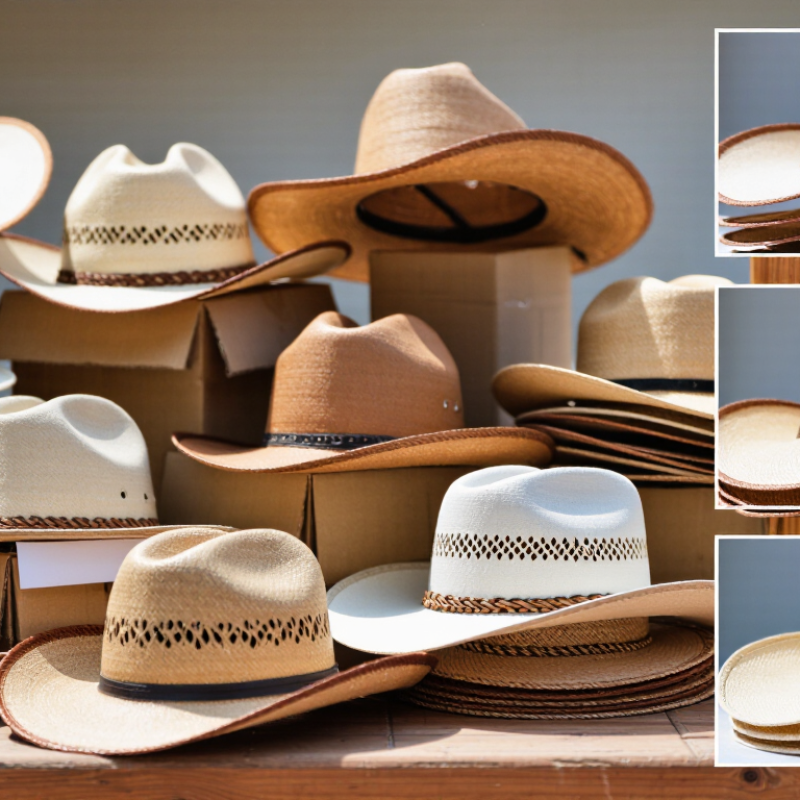
When choosing a straw cowboy hat for wholesale, start with the material rather than the appearance. Wheat straw feels lightweight and offers a traditional, dry texture. Paper straw usually provides consistent color and flexible shaping, but it may weaken after repeated moisture exposure. Raffia has a softer, more natural surface and can create attractive variations between pieces. Palm leaf is often firmer and more structured, making it suitable for buyers who prefer a durable western profile.

The weave deserves close inspection. A tight, even weave supports better shape retention and reduces visible gaps. A looser weave improves airflow, especially in hot outdoor markets, but it can stretch more easily. Check the crown under direct light. Uneven tension, broken strands, or rough edges may reveal rushed production. Small irregularities are normal in natural fibers. Too many are not.

Construction quality often separates a reliable wholesale order from a costly return. Examine the sweatband, inner seams, brim binding, and crown-to-brim connection. Firm stitching should remain secure when the hat is gently flexed. Test several sizes, not only one sample. A beautiful sample can mislead. Bulk batches may show differences in color, stiffness, and sizing. I would request pre-shipment measurements and conduct a simple moisture and packing test. The result may expose weaknesses early, although no test perfectly predicts long-term wear. A hat that looks strong may still lose its shape in a crowded shipping carton.

How to Choose the Best Straw Cowboy Hat for Wholesale?

Compare common straw materials, weave performance, and construction quality using a practical wholesale suitability score from 1 to 10.

How to read the chart: Raffia and tightly woven palm straw generally offer strong durability and shape retention, while seagrass provides good breathability and cost efficiency. Paper straw is lightweight and economical, but it typically requires stronger reinforcement around the crown, brim, and sweatband for better wholesale performance.

Evaluate Hat Shapes, Sizes, Colors, and Customization Options

How to Choose the Best Straw Cowboy Hat for Wholesale?

Shape determines both shelf appeal and practical comfort. A broad brim gives stronger sun coverage, while a moderate brim suits everyday retail displays. The crown should match the buyer’s market. A cattle-show customer may prefer a taller crown, while resort shoppers often choose a relaxed, lower profile. Grand View Research valued the global headwear market at approximately USD 20.7 billion in 2023, showing strong room for carefully segmented collections. Do not treat every customer alike.

Sizing requires more than measuring one sample. Measure the inner sweatband, then test several head shapes. A 58-centimeter hat may fit differently when the crown is shallow. Offer at least three core sizes when order volume allows. Test fit. Slight inconsistency can create returns, even when the printed size looks correct. This is where wholesale buyers often underestimate risk.

Color should reflect local demand, not only seasonal fashion. Natural straw, sand, and brown usually provide reliable volume, while black or pale tones can refresh a display. The Global Industry Analysts headwear report identifies fashion variety and customization as important market influences. Custom options may include hatbands, metal-free woven details, private labels, and carton color rules. Request pre-production samples, color references, and compression tests. I would also question oversized logos; they can reduce repeat wear. A strong wholesale range is not the largest one. It is the easiest one to fit, explain, and reorder.

Check Supplier Reliability, Pricing, Minimum Orders, and Lead Times

When buying straw cowboy hats wholesale, supplier reliability deserves more attention than a polished catalog. Ask for business registration details, production photos, material specifications, and recent buyer references. A dependable supplier answers clearly and sends samples before accepting a large order. Check stitching, brim shape, sweatband comfort, and color consistency under daylight. I once treated sample quality as proof of factory quality. That was too optimistic. Inspect several pieces from the same batch instead.

Pricing should be measured by landed cost, not unit price alone. Request a written quotation covering hat construction, packaging, labeling, shipping, and possible sample charges. Compare at least three suppliers using identical specifications. A cheaper hat may have a thin brim or unstable sizing, creating returns and slower sales. Ask how prices change with quantity, seasonal materials, and custom details. Keep payment terms and quality standards in writing. Vague promises are expensive.

Minimum order quantity can quietly strain cash flow. Choose an MOQ that matches your sales forecast, storage space, and testing plan. If the supplier requires 500 pieces, ask whether colors or sizes can be mixed. Confirm production time, inspection time, and shipping time separately. Request milestone updates, especially before peak seasons. Add a reasonable buffer for woven materials and rework. My earlier estimates were too neat; weather and manual finishing caused delays. A realistic schedule leaves room for both.

Verify Quality Standards, Packaging, and Customer Demand Before Ordering

How to Choose the Best Straw Cowboy Hat for Wholesale?

Wholesale buyers should verify quality before discussing price. Request material details, stitching photographs, and a physical sample. A reliable supplier should explain the straw type, weave density, brim structure, and sweatband construction. Check the crown carefully for gaps, loose fibers, or uneven shaping. The hat should keep its form after gentle handling. Ask whether quality inspections follow documented standards. However, a certificate alone proves little without consistent batch records and inspection reports. I once accepted attractive sample photos, but the delivered hats had weaker brims. That mistake taught me to inspect production samples.

Packaging protects quality during shipping and storage. Confirm individual wrapping, carton strength, moisture protection, and stacking limits. Ask for carton dimensions and loading photographs before ordering. Poor packing can bend brims or crush crowns. Include packaging requirements in the purchase agreement. Customer demand also deserves close attention. Compare preferred colors, brim widths, sizes, and seasonal buying patterns. A simple customer survey can prevent excess inventory. Demand may change quickly, especially for fashion-focused designs.

Tips: Order a small trial batch. Test fit, color consistency, odor, stitching, and shape recovery. Ask several customers for honest feedback. Record defects with photographs. Do not rely only on the lowest quotation; it may hide costly compromises. Leave room for revision after the first order.

How to Choose the Best Straw Cowboy Hat for Wholesale? - Verify Quality Standards, Packaging, and Customer Demand Before Ordering

Evaluation Area Wholesale Checkpoint Recommended Data or Standard Suggested Acceptance Criteria Customer or Ordering Impact
Material Composition Confirm the actual straw fiber used List paper straw, raffia, wheat straw, or other natural fiber separately; disclose blended materials Material description on the product label and packing list matches the approved sample Helps buyers compare texture, flexibility, appearance, and care requirements accurately
Weave Quality Inspect the crown and brim for uneven weaving Check the same area on at least 10 pieces from each production lot No broken strands, open holes, sharp fiber ends, or visibly loose sections Consistent weaving reduces returns caused by visible defects and premature damage
Shape Retention Test the crown and brim after handling and packing Measure the hat before packing and again after a 24-hour recovery period No permanent collapse, sharp creasing, or major brim distortion after normal handling Important for online sales, travel retail, festivals, and outdoor use
Adult Size Range Confirm head circumference coverage Common adult hat measurements are approximately 56–58 cm; adjustable bands can extend fit flexibility Measure the inside sweatband and record size tolerance for every size option A wider size offering can reduce fit-related exchanges and improve sell-through
Brim Dimensions Match the brim profile with the intended customer segment A 7–10 cm brim is a practical range for many fashion and outdoor styles Record brim width at the front, side, and back; avoid noticeable asymmetry Broader brims emphasize sun coverage, while narrower brims often suit fashion-led collections
Sweatband and Lining Check comfort, stitching, and attachment strength Use a securely stitched sweatband with no exposed adhesive or rough seams Band remains attached during repeated fitting and does not shed fibers onto the skin Comfort directly affects repeat purchases and customer reviews
Color and Finish Compare production color with the approved sample Use a physical color standard and inspect under consistent daylight or neutral lighting No obvious staining, patchy dye, strong chemical odor, or transfer onto a light-colored cloth Neutral straw tones are easier to coordinate, while seasonal colors can support trend collections
Sun-Protection Claims Verify any UPF or sun-protection statement before printing labels A UPF 50+ claim should be supported by a recognized laboratory test and the applicable regional test method Do not use UPF wording when no test report or product-specific evidence is available Accurate claims protect customer trust and reduce compliance risk in different markets
Moisture Protection Assess the packaging response to humidity during transit Use dry inner packaging, ventilation where appropriate, and moisture-control materials for long shipments No mold, mildew odor, water staining, or softened straw after a controlled packing inspection Moisture protection is essential for ocean freight, rainy seasons, and warehouse storage
Individual Packaging Prevent crushing, rubbing, and contamination Use protective paper or a suitable polybag, with the crown supported when the hat is stack-packed Each unit remains clean, dry, correctly labeled, and free from compression marks Good unit packaging supports direct-to-consumer fulfillment and visual retail presentation
Carton Packing Check carton strength and packing efficiency Record units per carton, carton dimensions, gross weight, and stacking orientation before shipment Cartons close securely, show no crushing, and keep hats separated from excessive pressure Accurate carton data improves freight planning, warehouse space estimates, and receiving speed
Label Information Review product and care labeling Include material composition, size, care guidance, country-of-origin information where required, and batch details Label information is legible, consistent with the order specification, and attached securely Clear labeling supports retail compliance, customer care, and inventory control
Demand Validation Identify the main use occasion and buyer preference Compare demand for neutral colors, adjustable fits, decorative bands, packability, and sun coverage Use customer surveys, pre-orders, website search data, and previous sales records rather than assumptions alone Demand evidence helps select the right style mix and lowers the risk of slow-moving inventory
Sample Approval Approve a pre-production or production sample Compare material, measurements, color, trim, labeling, and packaging against the written specification Keep a signed or digitally documented reference sample for final inspection A clear reference reduces disputes over quality, substitutions, and dimensional variation
Final Inspection Inspect before balance payment or shipment release Use a written checklist covering appearance, measurements, accessories, labels, quantities, and carton condition Separate defective units, record quantities, and photograph nonconformities for traceability Pre-shipment inspection provides an opportunity to correct issues before freight and retail distribution
Wholesale ordering rule: Treat measurements, test reports, packaging specifications, customer demand evidence, and the approved sample as documented purchase requirements rather than informal promises.