How to Choose the Best Leather Jacket at the 139th Canton Fair?
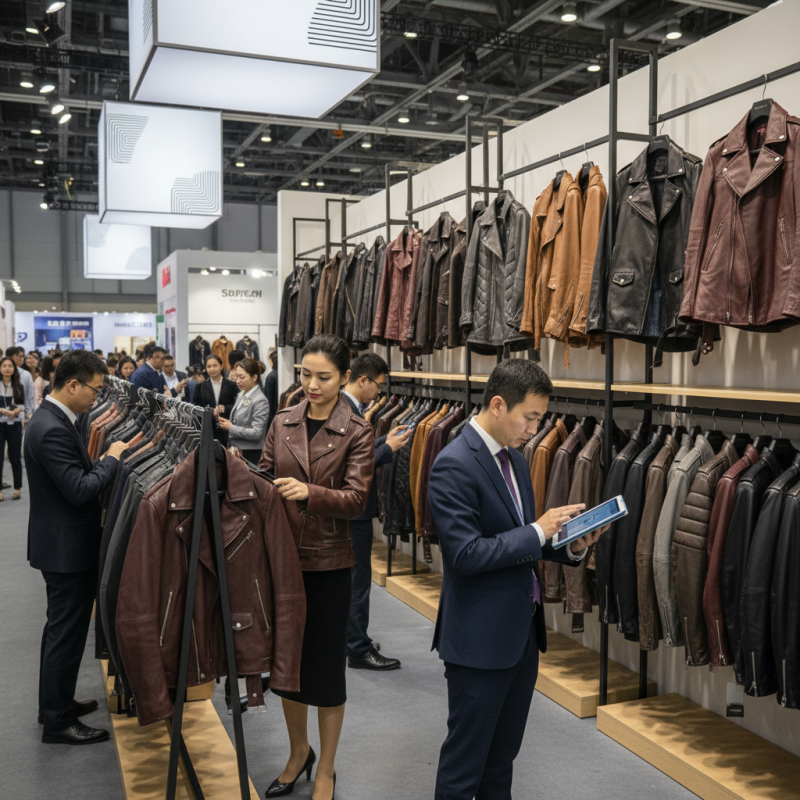
Choosing the best leather jacket at the 139th Canton Fair is an exciting opportunity. This massive event will showcase a variety of products, with a focus on textiles and apparel. Leather jackets stand out for their style and durability. They can enhance any wardrobe.
At the fair, buyers can explore different designs and materials. The AI-powered search will help streamline the process. However, not every jacket meets quality standards. Look for certifications like ISO or CE to ensure your investment is worthwhile.
Consider the fit and style that best suits your needs. A good leather jacket should feel comfortable and versatile. Pay attention to details like stitching and hardware. Sometimes, a jacket may look great but lack functionality. Reflect on your priorities before making a choice.
Understanding Leather Jacket Materials and Types
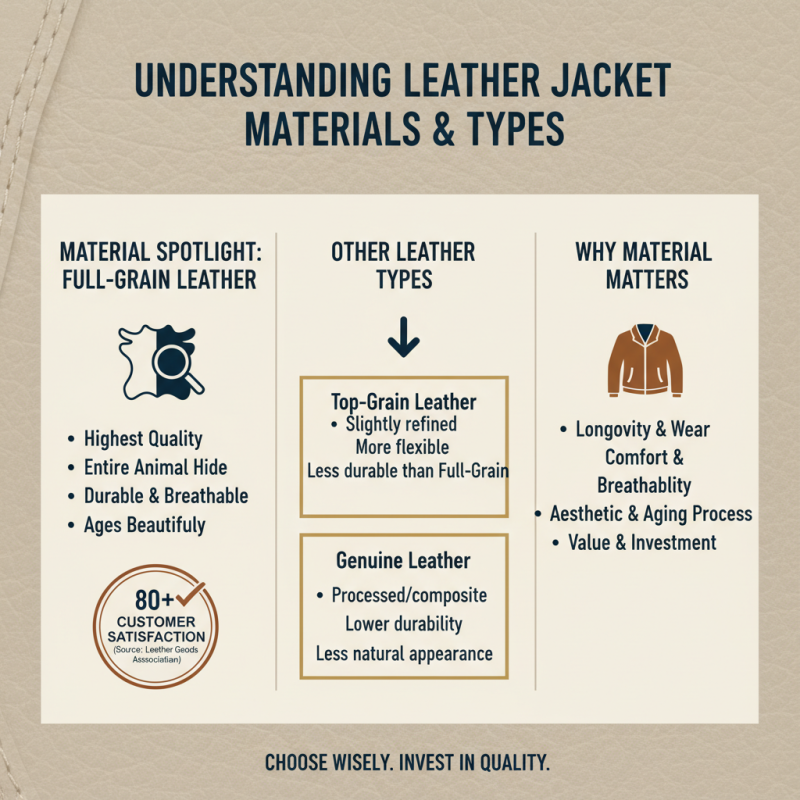
When selecting a leather jacket, understanding the materials is crucial. Leather comes in various types, each with unique properties. Full-grain leather is the highest quality, made from the entire animal hide. It’s durable, breathable, and ages beautifully. A report by the Leather Goods Manufacturer Association reveals that this type of leather has a high customer satisfaction rate, often exceeding 80%.
Top-grain leather is another popular choice. It is slightly less durable but easier to work with. It has a polished finish, making it visually appealing. Economically, top-grain leather lowers production costs, benefiting both manufacturers and customers. According to a market study, it accounts for nearly 45% of the leather apparel market.
Synthetic alternatives are gaining traction too. While they might lack the authenticity of real leather, they offer a cruelty-free option. Their production is less impactful on the environment, appealing to environmentally conscious consumers. However, some critics argue there’s a trade-off in quality and durability. As trends shift, both manufacturers and buyers must reflect on their choices, balancing style, ethics, and the longevity of materials.
Identifying Your Personal Style and Fit Preferences
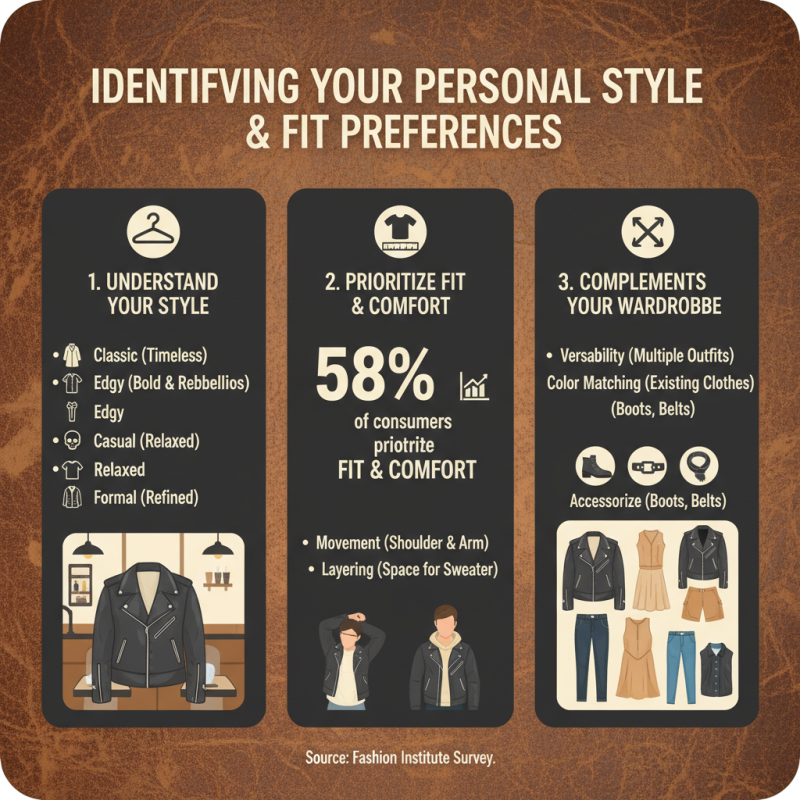
Choosing the right leather jacket can be daunting. Understanding your personal style is crucial. According to a survey by the Fashion Institute, 58% of consumers prioritize fit and comfort over brand recognition. When assessing options, think about how a jacket complements your wardrobe.
There are various styles: bomber, biker, and tailored. Each serves a different purpose. A bomber jacket offers a relaxed vibe. In contrast, a tailored fit provides a more polished look. Pay attention to details like stitching, zippers, and lining. These elements can elevate an ordinary jacket. Reported findings show that 45% of buyers seek unique design elements when making a decision.
Fit is equally important. It should not feel restrictive. Choke points can lead to discomfort. Make sure the jacket allows ease of movement. Trying jackets on is essential. Often, customers underestimate the importance of proper fit. According to industry data, 30% of returns stem from sizing issues. Prioritize your personal preferences. Your jacket should resonate with your individuality and lifestyle.
Evaluating Quality: Stitches, Hardware, and Lining
When choosing a leather jacket, evaluating quality is crucial. Focus on stitches, hardware, and lining. According to industry reports, high-quality leather jackets typically have at least 10 stitches per inch. This density ensures durability and strength. Loose or uneven stitches indicate poor craftsmanship. It's vital to inspect them closely.
Hardware is another key area. Zippers, buttons, and buckles should feel sturdy. Some studies show that customers prefer metal over plastic hardware for longevity. However, even metal hardware can fail if it’s poorly attached. Check for any signs of rust or corrosion, which can be indicators of low-quality materials.
Lining material is often overlooked. High-quality jackets use natural fibers like cotton or silk. These materials contribute to breathability and comfort. Synthetic linings may save money, but they often lack durability. Evaluate the linings carefully, as they can impact the overall feel of the jacket. In the end, a little more attention can prevent future disappointments.
Navigating the Canton Fair: Tips for Effective Shopping
Navigating the Canton Fair can be overwhelming. With thousands of exhibitors, it’s easy to feel lost. Research shows that around 24% of visitors struggle to find quality products due to poor planning. To effectively shop for leather jackets, preparation is key.
Start by prioritizing your needs. Are you looking for style, durability, or price? Most leather jackets fall within a price range of $100 to $500. Knowing your budget helps narrow down choices. Attend workshops and seminars at the fair for insights into current leather trends. According to industry reports, sustainable materials are gaining traction. However, not all suppliers are transparent about their sourcing. Ensure you ask questions about materials and production processes.
Take note of the quality. Look for jackets with a comfortable fit and strong stitching. A common pitfall is focusing solely on aesthetics. Remember, the feel and finish are just as important. It’s vital to check the leather's grain. Authentic leather should have a natural texture, not a synthetic look. Capture photos of potential purchases for later evaluation. Many buyers skip this step and regret it. Documenting your options can lead to more informed decisions.
Comparing Prices and Negotiating with Manufacturers
When attending the 139th Canton Fair, price comparison is crucial for finding the best leather jacket deals. Recent industry reports indicate that price variations can be significant, often ranging from 20% to 30% depending on the manufacturer. This disparity can stem from factors like production quality, material selection, and craftsmanship.
Negotiating with manufacturers requires preparation. Many suppliers may start with high initial prices. Effective negotiation can lower the cost, sometimes by as much as 15%. Use comparisons from similar products to support your requests. Understand that some manufacturers may lack flexibility. It's common to encounter rigid pricing strategies, and maintaining a calm demeanor helps in achieving better outcomes.
Don’t rely solely on the lowest price. Quality assessment should guide your decisions. Check for stitching, lining, and hardware quality. Imperfections can signal larger production issues. Keep an eye on the minimum order quantities, as they often dictate the final price. Striking a balance between quality and cost is essential for a successful purchase.