Leave Your Message

China Best Straw Cowboy Hat Wholesale Supplier for Bulk Orders

For retailers, event suppliers, and private-label brands, choosing a China-based Straw Cowboy Hat wholesale supplier is not just a price decision. It affects consistency, delivery planning, and how each hat feels in a customer’s hands. Grand View Research’s hats and caps market analysis estimates the global market at about US$29.3 billion in 2023, reflecting broad demand for headwear across fashion and outdoor use. This figure covers many product types, not straw cowboy hats alone. That distinction matters.

Bulk buyers should look beyond a low unit quote. Ask about straw material, weave density, brim shape, sweatband finish, size tolerances, and packaging. Request samples before approving a large production run. A tightly woven crown can look neat in photographs, yet feel stiff after hours of wear. Small details count. Confirm whether the supplier can share inspection records, production timelines, and clear specifications for repeat orders. These practical checks help reduce surprises, though they cannot remove every production risk.

Trade data from sources such as UN Comtrade can help buyers review wider country-level trade flows, but it does not usually identify this narrow product category in detail. So use market figures as context, not as a promise of sales. A dependable supplier should explain what it can verify, state what still needs testing, and provide realistic lead times. Some buyers may still find sample-to-bulk differences frustrating. That is worth discussing early. When comparing China wholesale options, prioritize documented quality controls, responsive communication, and a clear process for handling defects—not just the lowest price.

China Best Straw Cowboy Hat Wholesale Supplier for Bulk Orders

China’s Straw Cowboy Hat Wholesale Market at a Glance

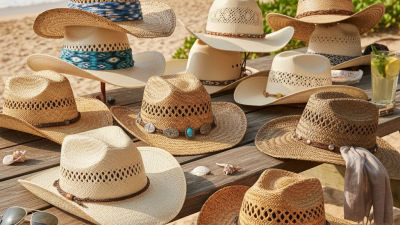
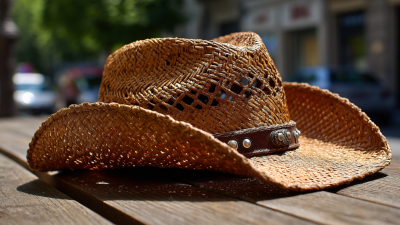
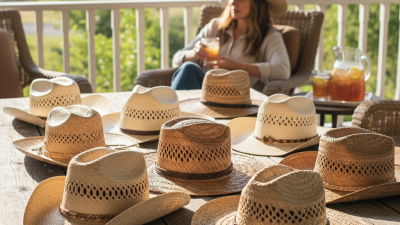
China’s straw cowboy hat wholesale market serves fashion retailers, outdoor shops, and event suppliers seeking seasonal stock. Suppliers may offer natural straw, paper-based straw, or blended materials, with differences in texture, weight, and durability. Weave density matters: hold a sample near a light to spot uneven gaps. Check the brim shape, stitching, sweatband, and edge binding too. Small details show.

For bulk orders, buyers usually compare minimum quantities, sample options, packaging, and production schedules. Ask for measurements and clear photos of the exact model, not just a catalog image. Confirm how hats are packed; a crushed brim can turn a good order into slow-moving stock. Schedules can shift during busy seasons, so build in time for sample approval and inspection. Even a polished sample may not represent every carton. That deserves attention. No checklist removes all uncertainty, but written specifications make differences easier to discuss before goods leave the factory.
Materials, Weaving Methods, and Hat Construction

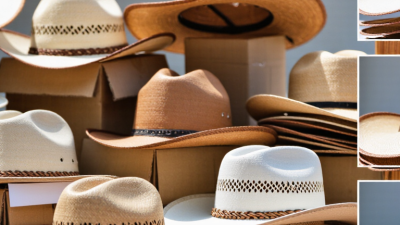
For bulk straw cowboy hats, material choice affects flexibility, weight, and finish. Wheat straw can produce a crisp, structured look, while raffia often feels softer and more pliable. FAO’s 2023 Statistical Yearbook reports global cereal production of roughly 2.8 billion tonnes in 2022. That figure reflects crop volume, not hat-grade straw availability; stem quality still varies by harvest and processing. Small details matter.

Weaving determines how evenly a hat holds its shape. Braided straw is stitched into a continuous body, while handwoven panels may show subtle variations in pattern and tension. During sampling, check braid width, stitch spacing, and loose ends under bright light. Uneven tension can create ridges that become more visible after blocking. This step is often rushed.

Construction turns the woven body into a cowboy silhouette. A crown is shaped over a form, then the brim is blocked and finished; the sweatband should sit flat without puckering. For wholesale orders, compare crown height, brim width, seam alignment, and color across several hats from each batch. Natural fibers vary. That variation is useful to discuss before production, not after cartons arrive.

How to Evaluate Wholesale Suppliers in China

When evaluating a China-based straw cowboy hat supplier for bulk orders, look beyond polished product photos. Ask for a physical sample and inspect the weave, brim shape, stitching, and sweatband. Check several hats from the same batch; natural straw can vary in color and texture. Small differences are normal, but uneven brims or loose bindings may signal weak quality control. Ask how defects are recorded and corrected. Ask for proof.

Confirm the supplier’s actual production capacity, minimum order quantity, lead time, and packing method in writing. A video call from the workshop can help you understand the workflow, though it cannot replace an independent inspection. Request a pre-production sample using the agreed material and measurements, then compare it with finished goods before shipment. Clarify carton dimensions and how hats are protected from crushing. Do not rely on a single promised delivery date; request a production schedule with checkpoints. I have found that clear specifications prevent avoidable disputes, yet they cannot remove every risk. A detail I once overlooked was sweatband sizing, and it caused uncomfortable samples. Ask for recent inspection records, but review them critically.

Bulk Order Specifications, Pricing, and Customization

For bulk straw cowboy hat orders, define the product before comparing prices. Specify straw type, weave density, crown height, brim width, head-size range, and finish. A practical brief might request a 10-centimeter brim, a shaped crown, and a neutral natural-straw color. Confirm measurements on a physical sample; woven materials can vary slightly. That detail is easy to miss.

Pricing depends on more than order quantity. Material grade, weave tightness, shaping, sweatband construction, decorative trim, individual packaging, and shipping all affect the landed cost. Ask suppliers to quote sample fees, minimum order quantity, production lead time, and price breaks at several quantities. The Grand View Research apparel market report valued the global apparel market at approximately $1.8 trillion in 2024; it does not isolate straw cowboy hats, but signals the scale of the broader category. Use that context, not as a demand forecast for one hat style.

Customization works best when options are limited and documented. Share approved color references, trim dimensions, logo placement, and packaging requirements in a specification sheet. Request a pre-production sample, then check brim symmetry, stitching, fit, and color under daylight. Small differences may remain in natural straw. Record acceptable tolerances in writing, and compare quotes on identical specifications rather than headline unit price alone.

Quality Checks, Packaging, and International Shipping

For bulk orders, a reliable straw cowboy hat supplier should inspect more than appearance. Check crown shape, brim width, stitching, and band attachment against an approved sample. Look closely. Natural straw varies slightly in color, so inspectors should record acceptable shade differences before production starts. They can sample hats from several cartons, measure key dimensions, and gently flex brims to spot loose weaving or cracks. A checklist with photos makes findings easier to review. Still, handwoven materials are not perfectly uniform; buyers should agree on tolerances rather than expect identical pieces.

Packaging matters as much as inspection when hats travel long distances. Use individual protective sleeves or paper, then fit crowns with clean inserts to limit crushing. Keep brims separated with dividers, and avoid tightly compressing cartons. Dry packing conditions help reduce moisture marks, though no carton can prevent every rough-handling incident. Before dispatch, confirm carton counts, gross weight, shipping marks, and the packing list. Check every batch. Ask for carton photos and tracking details. Allow time for production checks and carrier delays; schedules can slip, and pretending otherwise helps nobody.

China Best Straw Cowboy Hat Wholesale Supplier for Bulk Orders - Quality Checks, Packaging, and International Shipping

Practical sourcing guide for bulk orders. The quantities, lead times, and transit ranges below are indicative planning estimates, not guaranteed supplier terms. Confirm specifications, schedules, and shipping costs in a written quotation.

Area What to Check Planning Guidance Evidence or Action
Product specification Hat shape, crown height, brim width, color, trim, and size Record measurements and approved design details before production; tolerances should be agreed in writing. Approve a pre-production sample and attach a specification sheet to the purchase order.
Material and construction Straw material, weave consistency, stitching, edge finish, and band attachment Natural materials can show variation in shade and texture. Define acceptable variation and reject criteria in advance. Compare production units with the approved sample and inspect representative hats from each production lot.
Fit and comfort Head circumference, internal sweatband, and fit consistency Provide a size chart in centimeters and inches, and state whether sizing is adjustable or fixed. Measure samples at the same points and test fit on suitable size forms or users.
Order quantity and MOQ Minimum order quantity by style, color, and customization level MOQ varies by supplier, material, and design. Request separate quantities for stock styles and customized production. Ask for a written price break by quantity and confirm whether mixed sizes or colors are allowed.
Sampling and production schedule Sample approval, material availability, and production start date As a planning allowance, sampling may take about 5–10 business days and production about 15–30 days after approval; actual timing varies. Confirm milestone dates, revision limits, and the event that starts the production lead time.
In-process quality checks Dimensions, weave, stitching, trim placement, stains, odor, and deformation Use the same written checklist for sample approval and bulk inspection. Request dated inspection photos and a defect report; agree how defects and rework will be handled.
Final inspection Quantity, workmanship, appearance, labeling, and carton condition Set an acceptable quality level or another clear pass/fail rule before production is completed. Inspect before final payment or shipment where commercially agreed; retain inspection records.
Individual and carton packaging Shape protection, moisture protection, carton strength, and packing count Choose packing that limits compression and movement. Carton dimensions and gross weight depend on hat shape and packing method. Approve a packed sample; request carton dimensions, net and gross weights, and units per carton.
Shipping marks and documents Carton labels, packing list, commercial invoice, and destination requirements Document requirements vary by destination and transaction. Import duties, taxes, and clearance requirements depend on local rules. Confirm consignee details, product descriptions, quantities, and any required labeling with the importer or customs broker.
International shipping method Courier, air freight, or sea freight Indicative transit planning ranges are about 3–7 days for express courier, 5–10 days for air freight, and 20–40 days for sea freight; customs and inland delivery can add time. Request a route-specific quote and confirm whether transit time includes pickup, customs clearance, and final delivery.
Freight and delivery terms Named place, insurance, export handling, and responsibility for import clearance Compare quotations using the same delivery term and destination. The chosen Incoterms® rule should identify the named place and cost responsibilities. Confirm the agreed rule, named location, cargo insurance arrangements, and who handles destination charges.