As we approach 2026, the world of fashion is evolving. Tee shirts, once a basic wardrobe staple, are now a canvas for self-expression. Trends are shifting rapidly. Designers are experimenting with colors, fabrics, and patterns like never before. From bold graphics to minimalist designs, tee shirts are more than just clothing—they tell a story.
This year, sustainability plays a key role in trend development. Eco-friendly materials are becoming popular. Consumers are increasingly aware of their choices. They seek brands that prioritize the environment. People want not just style but also ethics in their wardrobe. Yet, can brands balance both? This tension raises questions.
The resurgence of nostalgia is another strong influence. Vintage-inspired tee shirts are making a comeback. Many designs draw inspiration from past decades. But do they resonate with today's youth? Trends suggest they do, but the impact on innovation is a point of reflection. As we navigate the upcoming trends, we should appreciate the diversity and complexity of tee shirts today.
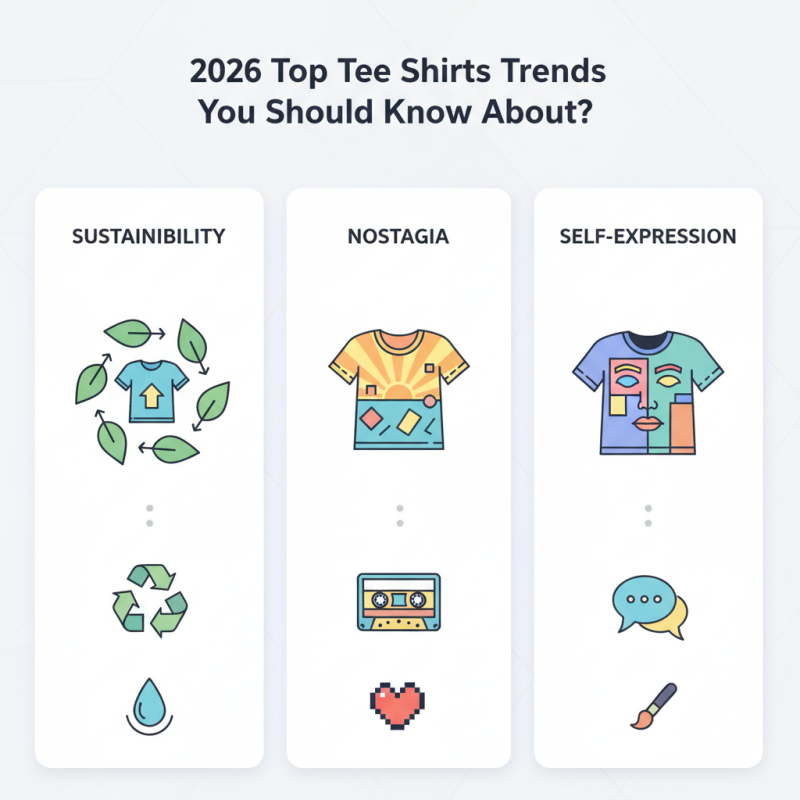
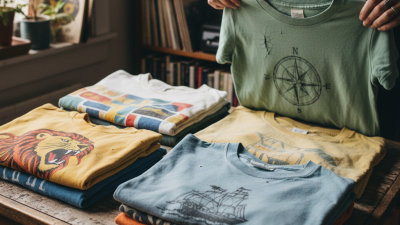
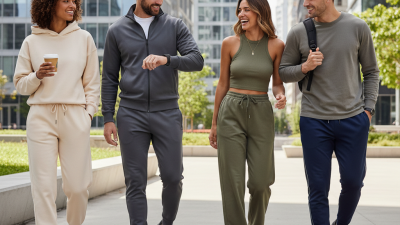
The 2026 tee shirt trends reflect a mix of comfort and bold expression. The oversized fit is making a big comeback. Many people prefer loose styles that provide a relaxed vibe. Graphic prints are also popular, often showcasing unique art or personal statements. This trend allows for individualism. Bright colors dominate the scene this year. Vibrant shades elevate mood and energy levels.
**Tips:** Choose bold designs that resonate with your personality. Mixing patterns can add an interesting touch. Consider layering your tee with a jacket for a stylish edge. Ensure the material feels good against your skin. Quality matters even in casual wear.
Sustainable fabrics are gaining traction, too. Eco-friendly choices appeal to many consumers. They look good and contribute positively to the environment. However, navigating eco-options can be overwhelming. Finding the right balance between style and sustainability requires effort. Regularly reassessing your wardrobe helps improve choices. Prioritize items you will wear, avoiding impulse buys.
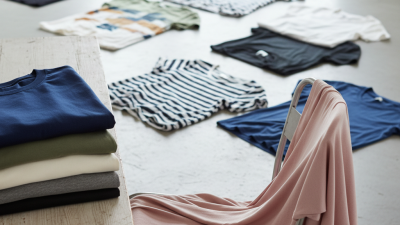
The eco-friendly tee shirt revolution is reshaping the fashion landscape. Sustainable materials are gaining traction, appealing to eco-conscious consumers. Reports indicate that the global sustainable apparel market is projected to reach $8.25 billion by 2026. More brands are adopting organic cotton and recycled polyester, signaling a significant shift in production practices.
Innovative technologies enable the use of materials like Tencel and hemp. These fabrics require less water and energy compared to traditional cotton. For instance, Tencel is made from sustainably sourced wood pulp. This not only reduces environmental impact but also offers comfort and durability. However, the challenge remains: not all companies are transparent about their sourcing and production processes.
The demand for sustainable tees is growing. Studies show that 66% of consumers are willing to pay more for sustainable brands. Yet, much work is needed to educate customers about truly eco-friendly options. While many brands tout sustainability, some utilize misleading marketing tactics. This inconsistency can lead to consumer confusion. The quest for genuine sustainability continues, pushing the industry forward, albeit imperfectly.
Bold graphics are taking center stage in 2026's tee shirt trends. Big, eye-catching designs can speak volumes. They draw attention quickly and make strong statements. Colors clash and patterns intertwine, creating an explosion of visual impact. People are wearing their beliefs on their sleeves, literally. Statements about social issues or personal beliefs are everywhere.
This trend invites reflection on individual expression. Are we too loud? Can a simple phrase spark dialogue? However, clarity is crucial. Sometimes, complex thoughts can lose their meaning in the noise. A single word or image can leave a lasting impression. Minimalism can also be powerful. Yet, there’s beauty in being bold.
The balance between subtlety and impact is delicate. Graphics must resonate but also allow for conversation. It’s an evolving space where risks are worth taking. Designers are constantly challenged to push boundaries. Experimentation leads to unique creations. It's a canvas for ideas, emotions, and identity. Each tee becomes a story waiting to be told.
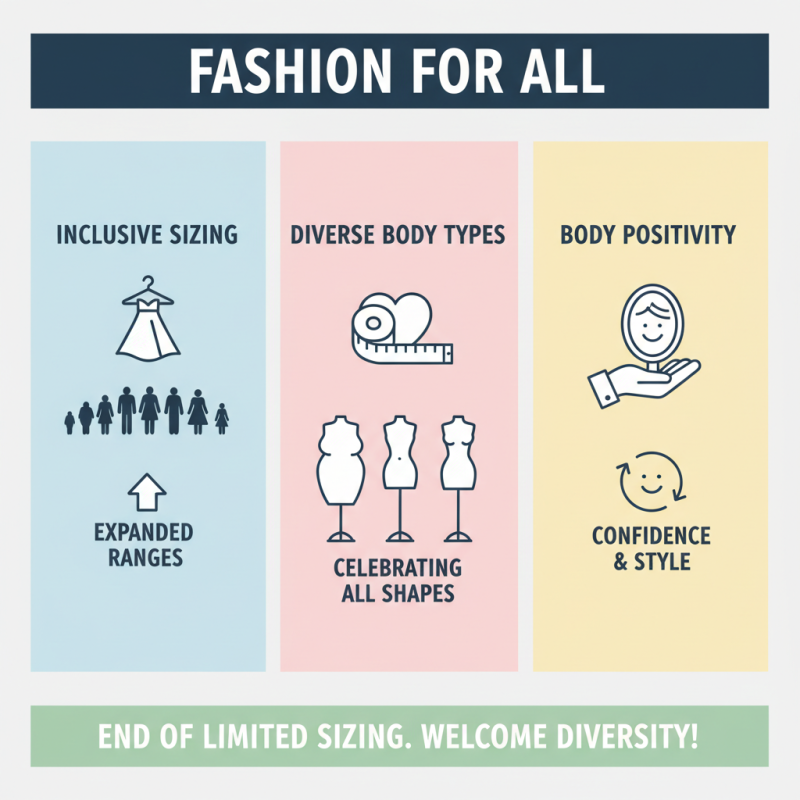
The fashion industry is experiencing a vital shift towards inclusivity. Inclusive sizing is becoming more prevalent. Designers are recognizing the diverse body types of their customers. This awareness promotes body positivity in fashion. The days of limited sizing are fading. Brands now include a wider range of sizes. This allows everyone to find stylish options that fit their unique shape.
Yet, challenges remain. Some brands still lag behind in this movement. There is a need for more representation in marketing. Media often fails to showcase diverse body types. This discrepancy can perpetuate outdated beauty standards. Conversations about body positivity are essential. They encourage brands to rethink their approach. We need to demand better representation. Everyone deserves to feel confident wearing trendy tee shirts.
The journey towards inclusivity is ongoing. We still have work to do. The industry must listen to voices advocating for all bodies. Change is possible if we push for it. Let’s make sure that body positivity is not just a trend. It should be a standard in fashion. Everyone should celebrate their body with pride.
Customization and personalization are transforming the tee shirt market. According to a recent survey, 70% of consumers prefer products tailored to their preferences. This trend is evident in how individuals want to express themselves through unique designs.
Customized tee shirts allow customers to choose colors, fabrics, and prints that resonate with their identity.
In addition, the rise of print-on-demand services has made customization more accessible. Consumers can create their designs without bulk orders. Reports show that the demand for personalized apparel is expected to grow by 25% over the next few years. This shift creates opportunities for small businesses to thrive in a competitive landscape. However, challenges exist. Many consumers face overwhelming choices, leading to decision fatigue. Striking the right balance between offering options and simplicity is essential.
The unique experiences created through customization can enhance customer loyalty. Personalized tees often have a story behind them, deepening emotional connections. Yet, not every customization succeeds. Poor quality prints or mismatched designs can lead to disappointment.
Brands must constantly adapt their offerings while ensuring quality remains a priority. Addressing these issues can help grasp the potential of personalization in the tee shirt industry.